Showing posts with label classic rock. Show all posts

Saturday, February 3, 2018

#467: The Band - The Band (1969)


Zack: Once again, I really need to re-listen to this album. It’s for the opposite reason that I applied for The Undertones, though. While for that album I was worried that I didn’t get it, here I’m worried I got it too much. I listened to this album from about 12:45-1:30 a.m. while drunk and watching an Ali-Frasier fight on YouTube (The Rumble in The Jungle to be specific). It was such a particular environment, but I’m worried that it’s the reason that I loved this album so much. Seriously, I adored The Band from start to finish. But hold back my affection out of fear that part of my adoration is really owed to the strategic beauty of the rope-a-dope. In the event that my feelings are not misplaced, however, what jumped out to me on this album was the cohesiveness of the music and lyrics. It was all one. That may sound simple, but I’ve encountered plenty of songs that disconnect the atmospheric mood of the song from the lyrics of the song. Here, it all flowed as one. Each song felt absolutely complete. And it’s just a bonus how well they matched up against the first 4 rounds.
Favorite Tracks: Whispering Pines; The Unfaithful Servant; The Night They Drove Old Dixie Down

Emily: I'm not sure if calling your band The Band is incredibly stupid or incredibly audacious. It's probably a little bit of both. You make your claim that your band is not just A band, but THE band, the band of bands as it were. But also when you tell people that your band is called The Band they'll just say "Yeah, I know that it's a band, but what's it called?" I think I'm on the side of stupid for this one. This self-titled album is perfectly fine - it didn't really grab me, probably because it was a bit too country for my tastes. But as far as band names go, The Band might be one of the all-time worst.
Favorite Tracks: Whispering Pines; Across the Great Divide; The Unfaithful Servant

Sunday, December 17, 2017

#458: Neil Young - After the Gold Rush (1970)


Zack: Yaaaaaaaaaaas!! My feelings about Neil Young have been well documented at this point. We’ve listened to two solo Neil Young albums before now, both of which I absolutely adored (I believe Rust Never Sleeps made my top 5 for the first 100 and Harvest was my favorite album from albums 201-300). And we’ve encountered Neil Young in a couple of bands, where I usually found his contributions to be the most striking. Plus, since this endeavor introduced me to Neil Young, I’ve gone through some of his more popular – but not included on the list – albums, and generally found them to be quite good (I haven’t yet dived into all the albums from the 80s and 90s that people straight up hate, but maybe one day.) I was looking forward to listening to this album so bad that I plowed through many of the last dozen or so in an effort to get to it sooner. And while After the Gold Rush didn’t transfix me quite as much as Harvest or Rust Never Sleeps, I still thought it delivered up to my expectations. It wasn’t as consistently excellent, and there were songs I just did not like, but the highs were just as lofty as on those other two. After the Gold Rush is definitely a great album, and although I’ll need to give it a few more listens before I decide if it’ll be a contender for the 500 album awards, I’m definitely looking forward to doing so.
Favorite Tracks: Southern Man; After the Gold Rush; Don’t Let It Bring You Down

Emily: When I told Zack this morning that I was listening to Neil Young (he was in the other room and I had headphones in, so he had no idea), he bounced up and down and YAYed. That's how much he likes Neil Young. While I'm not quite as enthralled, I definitely appreciate the winding folk-country-rock road that Neil Young has taken and continues to take over the course of his 40+ year career. And I liked a lot about this album. The first song underwhelmed me, but then it was three songs straight that I absolutely loved. I went on to like the rest of it, but those three songs really got to me. There's something about the songwriting and the simplicity of the arrangements that make Neil Young's music really special. And what I think this means is that I have to revisit the albums we've listened to in the past, and perhaps expand my Neil Young horizons beyond this list.
Favorite Tracks: Only Love Can Break Your Heart; Southern Man; After the Gold Rush

Sunday, December 3, 2017

#456: The Beach Boys - Surf's Up (1971)


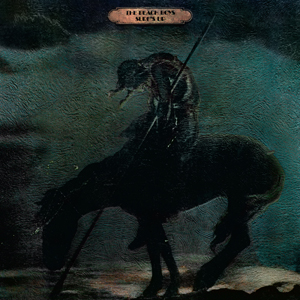
Emily: For the uninitiated (i.e., me), one might think that Surf's Up is a classic Beach Boys album of the Surfin' Safari, going-to-the-beach-with-pretty-girls variety. The fact that the album is from 1971, though, should give you a heads-up that this isn't actually a frothy pop Americana album about surfing. It's nearly ten years after the group started, and a few years after they started to move into more complex and psychedelic sound. So, as the music and album art make abundantly clear, the title Surf's Up is an ironic nod to the band's surf-rock roots, while the music delves further into psychedelia while maintaining some pop roots. The result was the Beach Boys' strongest commercial success in several years, and it's easy to see why. The album combines lush harmonies and soundscapes with socially-conscious and inventive lyrics, creating a sound that is both innovative and approachable that leaves you wanting to know where the Beach Boys would take their sound next.
Favorite Tracks: Surf's Up; Long Promised Road; Student Demonstration Time

Zack: I would have liked to get nostalgic about the Beach Boys, but apparently I didn’t do a great job of remembering the time we listened to Pet Sounds. I thought it was summer 2011, but couldn’t remember if it was June or July. Turns out I was way off. We listened to Pet Sounds December of 2010, making it the 34th album we reviewed (including the 9 to start). Whoops. My excuse is that Pet Sounds is such a perfect summer album that it temporarily transported me forward in time when I listened to it. I love Pet Sounds. It’s just such a great pop treat. And a result is that when I put it on again in the summer of 2012, I decided I wanted to broaden my Beach Boys horizons. So I totally legally went about totally legally obtaining the Beach Boys entire discography through totally legal means. I remember initiating this totally legal process and then going to get a sandwich from the Grilled Cheese truck on Norris St. in front of what I want to say was Boyer Hall. I made my way through a lot of that totally legal discography over the next few weeks, and I do remember doing that. I skipped over Surf’s Up and Today! because they were both on the list, but I was familiar with their positions in the discography and both of their legacies. So I knew that the title Surf’s Up is ironic, and I knew about the frankly awesome cover art. Still, Surf’s Up caught me a little off-guard. It’s just so far removed from the poppy sound of Pet Sounds. There are elements of psychedelic rock and prog rock and lots else blended in. And it’s all really good. I was, frankly, quite impressed that the same band that made Pet Sounds could make something equally good but so dramatically different. Surf’s Up is easily a classic album, and I’m glad I got to listen to it actually during the summer for a change (although this one will probably also get posted in December).
Favorite Tracks: Surf’s Up; Student Demonstration Time; A Day in the Life of a Tree

Thursday, August 31, 2017

#443: Elvis Costello and the Attractions - Imperial Bedroom (1982)


Zack: And now, our third stop on the nostalgia express. Which is, itself, kind of funny because the last time I listened to a Costello album for the blog was I believe the summer of 2013 when Emily and I were taking the train back from a mini-vacation in Atlantic City. That would have been only shortly before I left for Maryland and grad school life. And the first time, Emily and I listened to the album together, with it playing through the crappy speakers I had that plugged into my laptop while we just hung out on my bed in my sophomore-year dorm room. At this point, I have quite a history with Elvis Costello, an artist that I don’t think I’d ever even heard of before this started. And even with enough time passing since the last time I reviewed one of his albums that I’ve watched 30 Rock (and Costello’s cameos) twice, I still get floored by how good the songwriting is. Even on a first listen, the precise and vivid lyrics jump out. Musically, Imperial Bedroom was also impressive. It felt grander than My Aim Is True or This Year’s Model. And although it didn’t have quite the same wide-range of genres as My Aim Is True, it did feel like styles were being switched up constantly. Overall, Imperial Bedroom continues to show why Elvis Costello deserves to have so many classic albums recognized in his catalog.
Favorite Tracks: Almost Blue; Shabby Doll; Human Hands

Emily: Elvis Costello is the sort of artist that can remake himself with every album, but all of that reinvention seems like a continuation of his previous work. Imperial Bedroom, like My Aim is True and This Year's Model, spans genres and influences, picking up more of the new wave sounds of the early '80s rather than '50s nostalgia or late-'70s punk rock. Costello's lyrics continue to tell intricate, heartfelt stories that would be equally at home on the page or screen as on a record. Imperial Bedroom definitely deserves multiple listens, and continued my excitement to work our way through Elvis Costello's discography on this list.
Favorite Tracks: Man Out of Time; Shabby Doll; Almost Blue

Saturday, July 8, 2017

#432: The Beatles - Sgt. Pepper's Lonely Hearts Club Band (1967)


Zack: I think more than enough ink (digital and otherwise) had been spilled on this album, so I’m going to try and keep this semi-brief. I’m on record as thinking The Beatles are overrated, my case rests on the assertion that most of their catalogue is them making pretty good pop songs, and just because you were consistently good at something doesn’t, in itself, make it extraordinary. Sgt. Pepper’s, therefore, is not a piece of evidence I would call attention to. On this album (much as they do on Revolver as well) they try and experiment and push some boundaries. For me, they stand out here, and that answers my main criticism. That said, I still don’t particularly love this album. It’s good, and there are some songs I really like. Now that I think about it, I don’t think I’d ever sat down and listened to it from start to finish, although every single song was familiar. Kind of in the same way that if you’ve ever listened to a classic rock station, you’ve heard the entirety of Dark Side of the Moon. But I didn’t think the album gained much from being a cohesive project rather than a collection of songs. Plus, many of the songs, while different enough to be interesting, I ultimately didn’t think were that exciting. Basically, this album made me pay attention more than I did when we listened to With the Beatles, but I wasn’t quite as captivated as I was for Revolver. That’s enough for me to say that it’s worth checking out, but not enough for me to endorse it as an all-time great album.
Favorite Tracks: Lucy in the Sky with Diamonds; Good Morning Good Morning; With a Little Help from My Friends

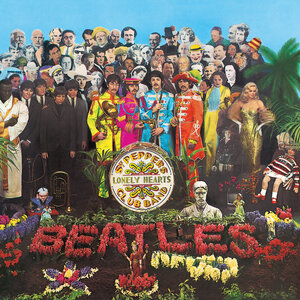
Emily: The mythos and imagery surrounding Sgt. Pepper's Lonely Hearts Club Band almost overshadows the music. The album cover, the band uniforms, the mustaches - all have been enshrined in the collective cultural memory as evidence of the world changing during the Summer of Love in 1967. By then, The Beatles had stopped performing live, abandoned the clean-cut image beloved by their teenage fans, and turned inward towards spirituality, experimentation, and (shortly thereafter) fighting amongst themselves. Sgt. Pepper is often regarded as a turning point in The Beatles' career, and the music reflects that just as well as everything else. Some of the music dips its toes into experimentation, while still remaining carefully crafted pop and rock songs. It's a moment of musical transition, but an iconic one. Nearly every song is recognizable to the most casual of music fans, and each one stands the test of time. Do I think Sgt. Pepper is the best Beatles album? Probably not. But it certainly lives up to the mythology that surrounds it.
Favorite Tracks: With a Little Help from My Friends; Lucy in the Sky with Diamonds; Sgt. Pepper's Lonely Hearts Club Band

Sunday, March 26, 2017

#421: Steely Dan - Can't Buy A Thrill (1972)


Emily: Right off the bat, I was surprised that I recognized multiple songs on this album. Steely Dan is a fixture of both classic rock and adult contemporary radio, and therefore a fixture of long drives with my family after I ceded control of the CD buttons and radio knobs. These songs weren't my preferred road trip soundtrack, but they're not particularly objectionable. The rest of this album, though, has plenty to object to. Steely Dan has an over-the-top theatrical quality that makes this album sound like the soundtrack to a musical. That musical is hard to follow and doesn't make much sense. The recognizable singles are solid performance pieces. The other songs are just filler that would usually serve to explain the plot of the musical, but here they really don't. The result is jumbled and confusing, but with a few bright spots.
Favorite Tracks: Do It Again; Reelin' In the Years; Dirty Work

Zack: We listened to Aja by Steely Dan long ago, before the world ended, and I loved it. I relisten to it every once in a while and it is still just very good. Can’t Buy a Thrill was not quite as great, but it was still a very good approximation. It was also Steely Dan’s first album, and they hadn’t yet decided to work in the jazz elements that really popped out on Aja. Still, the same smoothness and polish were there, and those elements are crucial to the groove found on Aja. A number of years ago, I was drinking with a friend who told a story to me about another time she was drinking with some people and sheepishly confessed that she liked Steely Dan. Everyone around the table made similar confessions. After listening to Aja and Can’t Buy a Thrill, I don’t think there’s any reason to be embarrassed to like this particular brand of classic rock.
Favorite Tracks: Dirty Work; Reelin’ in the Years; Kings

Sunday, January 15, 2017

#415: Paul McCartney - McCartney (1970)


Zack: I have, in the past, criticized much of the Beatles’ output for being boring. It turns out that this album has routinely been panned by critics for being too boring. I say these two things to frame the hypocrisy I’m about to spew. I really liked McCartney. It is a very rough album by design, and that gives it a sort of homespun charm that Beatles albums, where every note and melody has clearly been pored over, simply lack. There isn’t anything particularly challenging about McCartney. Other made-at-home classics we’ve run into like Nick Drake have combined the threadbare ethos with deep introspection. McCartney doesn’t really have that. There aren’t many grand statements built into the music. It’s just sort simple and direct and uncomplicated. Like a slice-of-life album. I can see why others would find that boring, but that’s so different from so many other things that I’ve heard that even if it’s simple it’s at least not repetitive.
Favorite Tracks: Maybe I’m Amazed; Junk; Momma Miss America

Emily: McCartney is the first post-Beatles release by Paul McCartney, and I think that shows through on the album. It seems like, once broken free of the creative sharing and conflict that came with the band, McCartney took the opportunity to make the kind of album he wanted without anyone else's influence or fingerprints on it. The result is slightly Beatles-esque, but with some of McCartney's quirks on more prominent display. As Zack noted, the music and lyrics are fairly simple and straightforward, but they're executed well so as to make them classic rather than boring. There's also a few instrumental-only rock tracks, plus some long instrumental breaks, which I wouldn't really expect from the Beatles. McCartney may lacks the experimentation of the late Beatles work that preceded it, but it is fully grounded in Paul McCartney's authentic sensibilities.
Favorite Tracks: Maybe I'm Amazed; Hot As Sun/Glasses; Junk

Saturday, November 5, 2016

#405: The Rolling Stones - Let It Bleed (1969)


Zack: I was able to stealthily make sure that the first two Rolling Stones albums we listened to were my favorite two, so it’s all downhill from here. Not really, the listmakers (for once) did an excellent job in picking the 6 Stones albums they included, so Let It Bleed is privy to all the same praise I’ve heaped on Exile on Main Street and Aftermath. If I was to issue any criticism to this album, it would be that the primary singles – Gimme Shelter and You Can’t Always Get What You Want – are just too good. They bookend the album and totally eclipse all the songs in between. For most other Stones albums, the singles are strong but there are a couple of other songs on there that I love almost as much as the singles. Here, there’s a pretty strong drop-off from my first 2 favorite tracks to the third. But that comment is minor, since there’s really no filler track on Let It Bleed.
Favorite Tracks: Gimme Shelter; You Can’t Always Get What You Want; Midnight Rambler

Emily: The Rolling Stones are such an iconic band that I tend to forget exactly what they sound like. It's like they've just been part of the cultural backdrop for so long that they tend to blend in with every other band from that era, all of the musicians who have stood the test of time. This isn't necessarily a bad thing, though. It means I'm surprised every time I actually listen to a whole Rolling Stones album. I forget how strong the blues influence is in their music, especially earlier albums like Let It Bleed. I think they're most successful, though, when they take that influence and make it entirely their own. That especially shines through on the most iconic songs from this album - Gimme Shelter and You Can't Always Get What You Want. These songs are classics for a reason. And it's a great reminder when you haven't heard them in a while of why this band remains relevant nearly fifty years after this album was released.
Favorite Tracks: Gimme Shelter; You Can't Always Get What You Want; Let It Bleed

Thursday, July 14, 2016

#399: Supertramp - Crime of the Century (1974)


Emily: I'm sure if I rooted through the milk crate in my parents' basement that holds my mom's old records, I would find a Supertramp record. Most likely it would be Breakfast in America, the band's biggest record in America with hits like The Logical Song and Take the Long Way Home. When these songs pop up on classic rock radio in the car my mom will blast them and sing along. That's essentially all I knew about Supertramp until today. What I didn't know was that Breakfast in America was actually the band's sixth album, and that Crime of the Century was both their third album and their first real breakthrough. It went Gold in the U.S., selling over 500,000 copies (something that rarely happens today, but was a regular occurrence in the '70s). And without listening to their other stuff, it seemed to me that this is where Supertramp started to figure out the sound that would bring them great success a few years later. It's a little prog rock, a little artsy, and a little pop. It's the kind of sound that would only work at that moment in time, but it totally makes sense. Taking a quick look back at the list, we won't get to hear any more Supertramp to see how they continued to hone and evolve this sound. However, maybe next time I'm home I'll search for that record.
Favorite Tracks: School; Bloody Well Right; Asylum

Zack: With a name like Supertramp, I kind of expected some semi-campy hard rock. Honestly, I’d say my expectations were about in line with what I expected out of Bad Company. Loyal lookers with long…memories (damn, really thought I could keep that going) may remember that I was somewhat pleasantly surprised by how decent Bad Company (the album) was. Crime of the Century took it up a couple of notches. This album wasn’t only decent, it was downright good. There was some Pink Floyd-ish vibes going on, mingling with the Led Zeppelin that was my favorite part of Bad Company. It was pretty dynamic and just a pleasant listen. I could easily see myself revisiting it down the road, and enjoying it each time.
Favorite Tracks: Crime of the Century; School; Hide in Your Shell

Monday, March 21, 2016

#389: The Byrds - Sweetheart of the Rodeo (1968)


Zack: Now for part 2 of our accidental Gram Parsons extravaganza. Apparently, the Byrds popularity as a rock/psychedelic band was kind of winding down and members were leaving. In order to fill in some places for a tour, they brought in relative unknown Gram Parsons, who then proceeded to brainwash the rest of the band into making a country album. Essentially, Gram Parsons wanted to merge country and rock music into one single sound, and instead of making his own albums and hoping they catch on, he somehow took over a major rock band and changed them from the inside instead. Seriously, reading this story sounds like a cross between Ocean’s 11 and Charles Manson. But you can’t argue with the results. Much like Grievous Angel, Sweetheart of the Rodeo has a bit too much twangy honky tonk in it to be the particular brand of country that I enjoy. And it lacks the emotional depth that Parsons was able to put into his solo work. But it still sounds more innovative and less generic that the other Byrds album we listened to, so I count this as a decent win. Sweetheart of the Rodeo was breezy, rarely boring, and generally stood out as doing something sort of different. I didn’t particularly love this album, but I liked it enough that I don’t mind saying it’s something that more people should probably check out.
Favorite Tracks: You Don’t Miss Your Water; One Hundred Years from Now; Nothing Was Delivered

Emily: Zack has been on my case lately about not getting through albums quickly enough. While he makes a legitimate point, part of my reason for slowness is that I'm just not super excited by the current batch of albums. Alas, I have to get through the current batch before we get closer to #400 and beyond. So tonight, a slow Monday night at home, I decided to sit down with my oh-so-scintillating Federal Courts treatise and fire up The Byrds. While Sweetheart of the Rodeo made a chapter on legislative courts somewhat more interesting, it definitely wouldn't be my first choice of studying music. Or of other kinds of music. It was just too much honk and too much tonk throughout. Wikipedia told me that before they brought Gram Parsons in, the band wanted to do more of a concept album encompassing the American pop music of the 20th century. Now that sounds like an intriguing album, but when they brought Parsons in he essentially made them scrap the concept and go full-on country instead. The result was not too different from Parsons' solo effort, which we just listened to, but it seemed to have even more of a twangy country vibe - not exactly my cup of tea. But getting through Sweetheart of the Rodeo does make us one album closer to the next hundred-milestone and beyond, so it at least counts for that.
Favorite Tracks: One Hundred Years from Now; Nothing Was Delivered; You Ain't Going Nowhere

Thursday, January 14, 2016

#383: Moby Grape - Moby Grape (1967)


Emily: A recent trend that's popped up on this blog is '60s psychedelic-rock bands named after fruit. First the Electric Prunes, and now Moby Grape. I didn't even plan it that way! I wonder if they ever shared a stage in 1967, because that pairing is ripe (heh) for so many branding opportunities. And it's not like sharing a stage would just be a novelty because of their names. Both bands emerged around the same time into an emerging psychedelic rock scene that drew on rock and roll, blues, country, and so many other influences and created something uniquely of that moment. Here, Moby Grape draws on all of that, creating links among all of these influences and starting to shape the psychedelic rock sound that defined that year and that era. I can only hope that there's a third band to round out a psychedelic fruit trifecta, but it'd be hard for that band to stand up against the Prunes and Grapes of the day.
Favorite Tracks: Mr. Blues; Omaha; Come in the Morning

Zack: Remember like 10 albums ago when I ranted about Beau Brummels? If not, go read that review, because it’s like a paragraph and the site navigation on Blogspot isn’t THAT bad. Basically, I found it preposterous that an album as weak as Triangle should be included, especially considering that the musical scheme around that album (the year 1967) was so lush. Triangle’s one claim to fame was that it tried to merge a lot of different genres (folk, country, psychedelic, rock, etc.), but I was confident that there had to be a better example out there. Turns out I was prophetic, because Moby Grape is exactly that. Coming from the same year (Triangle was released about a month later), Moby Grape successfully blended a bunch of different musical styles being practiced by their contemporaries into a single cohesive sound that is actually interesting and worth listening to. While I wouldn’t say I was particularly blown away by it, I enjoyed it enough that I think you can make a great case that it’s worth listening to.
Favorite Tracks:  Changes; Mr. Blues; Indifference

Monday, December 14, 2015

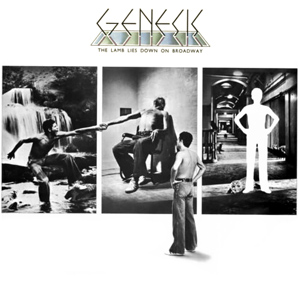
#376: Genesis - The Lamb Lies Down on Broadway (1974)


Zack: For about 60% of the albums we listen to, I have no idea what to write about. The albums I have listened to before we started or those that make a strong initial impression (either good or bad) usually aren’t too hard. But most albums fall somewhere in the range between “that was a totally fine album” to “I really enjoyed this album” and it’s hard to come up with anything insightful when an album (after one listen) is in that range. Basically, if my immediate reaction doesn’t involve at least two exclamation points, either good or bad, I have no clue what to do. In those cases, I usually go to Wikipedia and find something to inspire me. Sometimes there’s something interesting there. Sometimes there isn’t, and then I usually just end up closing my eyes and mashing my laptop keys until some string of bad puns emerges. It’s important to understand that process to understand why I now know that The Lamb Lies Down on Broadway involves a juvenile Puerto Rican youth living in New York City coming to terms with his multiple personalities via having sex with some snake monsters and volunteering to be castrated before walking around NYC with his severed penis around his neck. Had this album made a really strong impression, I probably would have just written straight from the gut and never picked up on that. Seriously, I don’t know if any amount of relistens would have made that plot clear. But all I got from the album was that it was musically pretty impressive and I continue to like the way Peter Gabriel sings. Without much else, I turned to Wikipedia where I learned…things. I’ve listened to plenty of concept albums before, but I don’t remember any like this. That’s a fucked up plot, members of Genesis. That’s about all I have to say about that.
Favorite Tracks: The Lamia; The Light Dies Down on Broadway; The Chamber of 32 Doors

Emily: I truly think that there should be a time limit on album length. Generally, if you think you have more than an hour of material to contribute, you probably don't. You're just hiding the good stuff behind filler and weird experimentation. Prog-rock albums are especially guilty of this. I understand that the bands are trying to tell a story through their experimental, electric, "progressive" sound, but these long albums are just overkill. I think I'd appreciate them much more if everything was culled back to an hour or less. That really was my main problem with The Lamb Lies Down on Broadway. Since it clocks in at 90 minutes, I listened to it in two separate phases a few days apart. Some of it is very interesting - Peter Gabriel is a great singer, and the band does some interesting things with the rock sound that understandably makes them pioneers of the prog-rock genre. But the concept makes no sense, and an hour and a half of it is just hard to follow and focus on. I'm not exactly sure what Genesis did after this, but I hope that they kept refining their sound and technique down to shorter albums by focusing less on the crazy concepts and more on their music, which is where I think they shine.
Favorite Tracks: The Chamber of 32 Doors; Fly on a Windshield; In the Cage

Wednesday, October 21, 2015

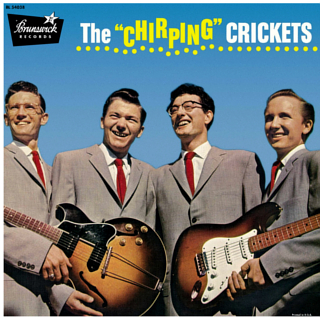
#371: The Crickets - The "Chirping" Crickets (1957)


Zack: It’s been a while since I’ve written one of these at this point, so please forgive me if I don’t quite remember what I’m supposed to do. If memory serves, I believe I normally say some random fact I looked up on Wikipedia, give a #hotmusictake, then make some terrible pun and call it a day. Starting with phase one, I think it’s relatively common knowledge that The Crickets were essentially just a Buddy Holly vehicle. But it’s actually a bit more ridiculous than that. By the time he was 19, Holly was already a blossoming rock star stemming from his tours opening for Elvis Freaking Presley (actual name, check the birth certificate). The Crickets were created because Holly’s manager figured that radio stations would be willing to play more Buddy Holly music if they got to say a different name each time. So, basically, The Crickets were a vehicle for the public to overdose of a guy who was just exiting his teenage years. Chirping Crickets has a lot of virtues, but I think my favorite was (we’re now in phase 2) that it was only 28 minutes long. As a culture, we need more 30-minute albums. Thirty-minute albums are never disappointing. It’s just too easy to produce 30 minutes of quality music. And the Crickets really nailed the 30-minute album formula here. Chirping Crickets isn’t particularly incredible, instead hovering right in that solid formative rock and roll zone where the music is solid but not particularly adrenaline inducing. But it’s very well contained, and ends up being something you can hop around to (conclude phase 3).
Favorite Tracks: That’ll Be the Day; Last Night; Oh, Boy!

Emily: How appropriate that we're reviewing this review on October 26, 2015 - Back to the Future Day! Today officially marks the day where all of the Back to the Future trilogy takes place in the "past." Though we don't have hoverboards yet, the Cubs could go to the World Series, so at least part of their predictions came true. I don't actually prefer the "future" part of Back to the Future 2 - the far superior movie is the first one, where Marty McFly goes back to the '50s to make sure that his parents get together so the timeline to his life stays intact. Along the way, he "introduces" rock and roll to the world (aka a high school dance) in 1955. The '50s were a simpler time, where a time-traveler from 1985 could show the musical world what they were missing. Never mind that, by that time, Buddy Holly was already opening for Elvis and was just a couple years away from becoming a rock and roll star in his own right. The Crickets were essentially a Buddy Holly star vehicle, and their debut album here showcases the new style of rock and roll he brought to soda shops and sock hops around the country. The songs are short and simple, switching between up-tempo dance songs and slower ballads with accompanying harmonies. This album may seem out of place in today's hoverboardless world, but it's definitely worth a listen for going Back in Time.
Favorite Tracks: Oh, Boy!; That'll Be the Day; It's Too Late

Saturday, September 19, 2015

#368: Bad Company - Bad Company (1974)


Zack: When I was a kid, I was obsessed with the idea of releasing a song off an album under a band name that were all the same thing. Like, you know how artists will often have an eponymous album? I wanted to do that, but also have a single on said album that was titled the same as the album and the band. I don’t know why I wanted to do that so badly. Maybe because I am oddly obsessive about weird stuff (probably that). Maybe it’s because it’s a super cool idea (definitely not that). Or maybe it’s because I was really supposed to be in Bad Company, since they apparently thought it would be cool to do that exact thing. I certainly think it’s cool, but now I need to write a review about the album by the band that features the song titled Bad Company and at any time I could be referring to one level and the reader will have no idea which if I’m not explicit. Which means my dream was discerned, not deferred, but now deters. This is simultaneously some deep and inexplicably shallow shit. Anyway, Bad Company (the album) is better than I thought it would be. It has a bit of a Led Zeppelin-lite vibe to it. At some stages it has a hard rock vibe to it, and not the kind that borders on cheesy. At other times it slips into a nice ballad stage that, once again, avoids being cheesy. I’d never really been particularly interested in Bad Company, but I wish I’d picked them up in like the 10th grade. I think I would have loved this album then, instead of just mildly appreciating it like I do now.
Favorite Tracks: Bad Company; Don’t Let Me Down; Seagull

Emily: We've been on a roll of a whole bunch of British bands that were big in their home countries but barely made a blip overseas. Sometimes they're quite good, but frequently they're just not that interesting and we had better stuff going on over here in America anyway. Bad Company is kind of one of those bands, and I think they fall into the second category. The band did have some success in the U.S., but moreso in the U.K. And while their self-titled debut is a solid rock effort, it's really not all that unique. It sounded like generic '70s classic rock - certainly not the worst thing to listen to, but a whole slew of bands definitely did it better and left a greater impact.
Favorite Tracks: Ready for Love; Movin' On; The Way I Choose

Monday, August 10, 2015

#358: Bruce Springsteen - Darkness on the Edge of Town (1978)


Zack: Why am I bothering to write a review for this? Was there ever any doubt that I would love this album? I’m a proud son of New Jersey damnit, and us Joysians stick by the Boss. Putting my bias aside, though, Darkness on the Edge of Town is clearly a classic. The writing is so poignant that is borders on heartbreaking, even on the songs where the person triumphs over their circumstances. Springsteen is most often compared to Dylan, although lyrically I think that’s a terrible fit. Sure, people may misinterpret Born in the USA and think it’s a patriotic anthem, but in general Bruce is pretty clear about the meaning of his songs. It’s the storytelling that matters. Dylan is so cryptic, that you admire his lyrics for entirely different reasons. It’s like prose compared to poetry, really. If I’m thinking of who Springsteen reminds me of, lyrically, I actually think of a recent artist in Courtney Barnett. They both weave stories that are underlined by vivid characters and wit, and the meaning of what they’re saying is almost never in doubt. But as much as I love the storytelling on Barnett’s recent debut, Springsteen is clearly on a completely different plain here. Every detail comes roaring out of his mouth, matched by the ripping of his guitar or the blast of the sax, so vividly that it almost feels like you’re watching a TV show instead of listening to an album. I was blown away. I’d have to listen to them back-to-back to do a real comparison, but as of right now I would put Darkness ahead of Born to Run on the Bruce album power rankings. With the qualification that we have more than 40 albums left to go, I would even go so far as to say that it’s a strong contended for my favorite album come award time.
Favorite Tracks: Something in the Night; Darkness on the Edge of Town; Racing in the Street

Emily: I'm not from New Jersey, so I don't have quite the strong connection/obligation to Bruce Springsteen that Zack (and everyone else from the state) does. I guess that means I can take a more objective look, but it's not like Bruce isn't revered and acclaimed outside of his own state. On the contrary, Darkness on the Edge of Town is considered to be one of his best albums. It's more introspective than its predecessor, Born to Run, and focuses on telling uniquely American stories. Very few artists do that as well as Bruce Springsteen, and this album is a triumph both for him and for the genre.
Favorite Tracks: Racing in the Street; Badlands; Prove It All Night

Tuesday, July 14, 2015

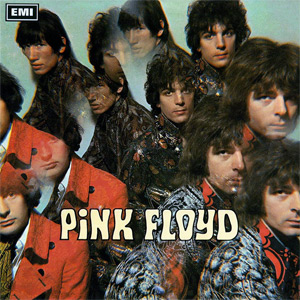
#352: Pink Floyd - The Piper at the Gates of Dawn (1967)


Zack: When we first started writing this blog, nearly five years ago (holy shit!), I named Pink Floyd as my second favorite band/artist. At the time, that was totally true. When it came time to revise the list, nearly two years ago (once again, holy shit!), they had been bumped from the top 5. At that time, that was totally true. And as of today, they have not reclaimed their original place, although they do threaten to break back in. Why have they fallen? Mostly, it’s because I discovered new (but mostly very, very old) artists that totally blew me away. But part of it is that the Pink Floyd that used to deconstruct my entire consciousness simply stopped doing that for me. I used to put on Animals on my shitty MP3 player my freshman year of college, gaze at the ceiling, and let the music wash over me while I tried to fall asleep before 4 a.m. (college, amirite?) Now, I listen to Pink Floyd and appreciate how cool it is without feeling overwhelmed by its awesomeness. But Piper presented an opportunity to reawaken my love for the Floyd for a simple reason: I’d never listened to it before. My four staples used to be (in order): Dark Side of the Moon, Wish You Were Here, Animals, The Wall. I’d listened to other stuff, but never got around to Piper. When we started the blog, I intentionally avoided listening to it so that I could document my first time here, for your pleasure. And, having waited so long, my reaction is…meh. I liked it, but the biggest takeaway for me was that I really prefer spacey psychedelic music over fantasy psychedelic music. Most of Pink Floyd’s music falls in the former camp, but Piper didn’t. And, seemingly as a result, I didn’t like it as much. It’s a shame because I was really looking forward to this album. But, ultimately, it just couldn’t capture the magic of the first time I heard the other Pink Floyd albums.
Favorite Tracks: Interstellar Overdrive; Matilda Mother; Astronomy Domine

Emily: I decided to pick up my listening-to-music-while-walking-to-work thing again after a few weeks of totally failing at it, so I started The Piper at the Gates of Dawn without much knowledge besides that it was next on the list and that it was early Pink Floyd. I've listened to only a bit of Pink Floyd over the years (though I did go to an outdoor showing of The Wizard of Oz synced up to Dark Side of the Moon last summer), so I knew to expect psychedelic and trippy musical stylings with perhaps some sort of interwoven story or theme running through. That's kind of what it was, but I could definitely tell that it was early in the band's career. They hadn't quite fleshed out the sound that made them so unique and timeless a few years and albums down the line, so a lot of the album sounded like things we've come across before on this blog. I also thought it kinda sounded like a trippy '60s James Bond soundtrack, which at least held my interest throughout the album. Maybe The Piper at the Gates of Dawn syncs up to Goldfinger? Only one way to find out...
Favorite Tracks: Interstellar Overdrive; Astronomy Domine; Take Up Thy Stethoscope and Walk

Monday, May 25, 2015

#349: David Crosby - If I Could Only Remember My Name (1971)


Zack: Poor Graham Nash. He’s the only member of the Crosby, Stills, Nash, and Young quartet/trio that doesn’t have his own solo album on the list. Of those four, it has never been in doubt that Neil Young would take pole position. And with Graham by default absorbing the place at the bottom, that just leaves Crosby and Stills to duke it out for the No. 2 place in the CSNY power rankings. Crosby gets to shoot first, although I’ve already been bored to tears by him in The Byrds and decently impressed with Stills in Buffalo Springfield, so he’s not coming in on even terrain. That said, I think he made up his deficit here. If Only I Could Remember My Name is a solid album. Musically, it’s actually really impressive, which I attribute to the all-star cast of supporting musicians Crosby brought in to assist. But the vibe and cohesion aren’t as otherworld as the guitar on Tamalpais High, so I docked some points there. Overall, then, I would say Crosby is a little behind, while Stills still has two albums to cement his lead.
Favorite Tracks: Cowboy Movie; Song With No Words (Tree With No Leaves); Traction in the Rain

Emily: I'm not the biggest fan of the Crosby, Stills, Nash, and Young school of folk-infused classic rock. While it can be unique and deservedly classic, more often than not I've found it pretty boring. Unfortunately, David Crosby's solo debut fell on the more boring side. If I Could Only Remember My Name was pleasant enough, full of long instrumentals and shorter vocals performed by some great musicians of the era (Jerry Garcia, Neil Young, Joni Mitchell, and more), but nothing about it really grabbed my attention. It doesn't have the lyricism of Neil Young or of the quartet as a whole that we've encountered before, and that's what really makes their albums special. Crosby on his own, though, was just okay.
Favorite Tracks: Cowboy Movie; Traction in the Rain; Song with No Words (Tree With No Leaves)

Tuesday, May 12, 2015

#347: Meat Loaf - Bat Out of Hell (1977)


Emily: I was really disappointed that this Meat Loaf album isn't the one that has I Would Do Anything for Love (But I Won't Do That). That song is the epitome of over-the-top arena rock cheese, best belted out off-key at the end of a night of karaoke. Bat Out of Hell has that same kind of cheesiness going on, but it's not quite ridiculous enough to match Meat Loaf's signature hit. It actually sounds more like the soundtrack of a rock-tinged musical than a rock album in and of itself - the composer is actually trying to make it into a Broadway musical now too, almost 40 years later. I can envision Meat Loaf driving a makeshift motorcycle on stage and dueting with a rock chick standing on a balcony above him, while the title track sounds like it's made to be sung by an entire Broadway chorus. When you look at Bat Out of Hell this way, it makes a bit more sense (at least to me) than seeing it as just an overproduced, cheesy '70s rock album. I don't know if that's what Meat Loaf was going for, but I'll take it.
Favorite Tracks: Paradise by the Dashboard Light; Bat Out of Hell; All Revved Up with No Place to Go

Zack: For about four straight days, I would stare at my iPod before starting my daily walk to school, trying to come to terms with the fact that Meat Loaf was the next artist. And for four straight days I found the courage to listen to literally anything else. But I eventually caved into the cowardice and submerged myself in the Loaf. It was sort of like the bastard offspring of Elton John and Dio. As awesome as that sort of sounds like, I do not in fact mean that as a compliment. Bat Out of Hell was so campy that it almost defies all logic. It is about 15 minutes too long. It is trying way too hard to be whatever it is it’s supposed to be. It also takes some getting used to. I hated the first half of the album, but around the midway point I sort of acclimated to how corny it is and appreciated the second half a bit more. Still, I can’t say I expect to have a craving for any Meat Loaf at any point in the future.
Favorite Tracks: Paradise By the Dashboard Light; All Revved Up With No Place to Go; For Crying Out Loud

Wednesday, April 29, 2015

#343: Deep Purple - Deep Purple in Rock (1970)


Zack: Deep Purple is a band best known for the song Smoke on the Water. Of the 3 albums they have on this list, this is the one album that does not have a version of that song on it. That confuses me, because if I were in Deep Purple I would lead and close every album with Smoke on the Water. Or at least I would start every song with that riff. But I’m willing to let that slide here, considering this album came out 2 years before that song was written. Anyway, apparently Deep Purple is considered one of the 3 foundational players of British hard rock, along with Led Zeppelin and Black Sabbath. Which makes some sense, since In Rock sort of sounded like Led Zeppelin if you were submerged in a particularly viscous fluid, perhaps syrup, and were trying not to think about it too much. In general, I thought In Rock was okay, but unimpressive. It was loud, but it didn’t have the same sort of excitement that makes the loudness of Zeppelin so appealing. It also made me realize how crucial the whole mysticism element is to what Zeppelin and Sabbath do. Without it, everything becomes sort of boring. In Rock doesn’t have any of that going on, at least as far as I could tell, and the product really suffered. Overall, I’d much rather listen to Deep Purple’s contemporaries than blast In Rock. But maybe things will improve once Smoke on the Water starts on the other 2 albums.
Favorite Tracks: Bloodsucker; Hard Lovin’ Man; Living Wreck

Emily: My knowledge of Deep Purple before today extended to Smoke on the Water, the simple guitar riff that everyone who either plays guitar, played Guitar Hero, or just listens to rock music knows by heart. I fit into the latter two categories, and after listening to Deep Purple in Rock I think I prefer the band's easy-level Guitar Hero song to the more expert-level hard rock guitar on display here. I agree with Zack that they kind of just sound like the poor man's Led Zeppelin, but significantly less interesting. But hey, maybe Smoke on the Water will liven their remaining albums up a bit.
Favorite Tracks: Speed King; Flight of the Rat; Into the Fire

Wednesday, March 18, 2015

#335: Creedence Clearwater Revival - Cosmo's Factory (1970)


Zack: A few years ago, I convinced a friend of mine that what our 6 a.m. shift at the sporting goods store where I worked needed was a Johnny Cash Pandora station. This is one of the rare examples of a good decision made at that time. It turns out that Pandora has absolutely no idea what to do with that request, or at least it was perplexed then. It just kept playing Johnny Cash and Creedence Clearwater Revival, at about a 2:1 ratio, with almost no other artists appearing. Seriously, it went something like Cash-CCR-Cash-Cash-Dylan-CCR-Cash-Haggard-Cash-Cash-CCR. It was hilarious and sort of awesome. That’s probably the last time I ever thought about Creedence Clearwater Revival. We didn’t skip those songs, so I won’t say that I went into Cosmo’s Factory with any sort of animosity toward the band. But I think it would be fair to categorize my feelings as apathetic. I wasn’t expecting to love this album. But I totally did. A lot of songs started out in the “pretty good, four stars” category before ripping into an awesome guitar solo and winning me over to “WOW! FIVE STARS” fandom. CCR have a knack for finding the sweet spot before a cool jam session in the middle of a song becomes unbearably long. They never push the boundaries of your patience, always wrapping up at just the right time. I’m not going to make a CCR station or anything, but I suddenly feel much more positive about the skewed ratios on my Cash station for sure.
Favorite Tracks: Who’ll Stop the Rain; Run Through the Jungle; Up Around the Bend

Emily: I really didn't know anything about CCR before going into listening to Cosmo's Factory. I knew they were classic rock, and based on the early-70s release date I figured there'd be a little bit of country or blues going on among the guitar solos too. I wasn't entirely off base, but I was surprised by the '50s soul and rock & roll influences throughout the album. A couple songs were spot-on Little Richard (in fact, there was even a lawsuit about that similarity), but CCR fared much better when pairing the '50s elements with their own style of '70s blues-rock. This was best exemplified by their 11-minute-long, guitar-solo-filled take on I Heard It Through the Grapevine. That song makes classic Motown into classic rock, which is definitely a fusion I can get behind.
Favorite Tracks: I Heard it Through the Grapevine; Who'll Stop the Rain; Up Around the Bend