Tuesday, August 6, 2013

#242: T. Rex - Electric Warrior (1971)


Emily: Zack originally classified this album under psychedelic rock. Wikipedia says its glam rock. Both of those label, however, are somewhat misleading. There were psychedelic influences throughout Electric Warrior, as well as some grooving glam tracks, but the album transcends those genre lines and draws on a bunch of different sounds from the era. The result is fun, upbeat, and rockin'. Get it On, T. Rex's big international hit and the best-known song from this album, sounds almost like disco a few years early (with the awesome addition of glammy guitars). Is Electric Warrior the greatest of any of the genres it explores? Of course not, but it's still a great time to be had.
Favorite Tracks: Get it On; Mambo Sun; Rip Off

Zack: This album was a major disappointment, in that there wasn’t a single roar from a prehistoric apex predator. Really, that’s all I’ve ever wanted from an album. Once I got over that crushing blow, I came to be quite fond of Electric Warrior. It did a great job at embodying some of the musical trends that developed in the late 60s and early 70s while also avoiding the common pitfall of sounding dated. It wasn’t the greatest album of that year (I actually looked it up, and Who’s Next, What’s Going On, Sticky Fingers, From Fillmore East, Pearl, Blue and L.A. Woman were all released that year. And those are just the ones we’ve listened to already.) But it still was pretty solid overall and worth checking out.
Favorite Tracks: Get it On; Life’s a Gas; Mambo Sun

Saturday, August 3, 2013

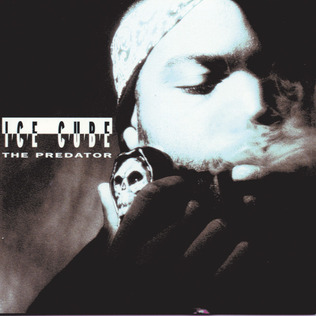
#241: Ice Cube - The Predator (1992)


Zack: More than any other West Coast G-funk album, I’ve been dying to listen to The Predator. More than Straight Outta Compton or The Chronic (which I’ve already listened to, but not in several years) or even Ice Cube’s more well-known album, AmeriKKKa’s Most Wanted. Besides for the inclusion of It Was a Good Day, a song so fantastic that it has the inherent ability to make any day a good day, I knew his album served as somewhat of a chronicling of the emotional aftermath of the L.A. Riots. In that respect, The Predator is especially dynamic. The recording encompassed a long enough stretch that some songs clearly were recorded before the Rodney King cops’ verdict, and some after. Because of this distinction, some songs seem to really capture the visceral fury that people felt while others feel more like explanations for the aftermath. Most notably among the latter is We Had to Tear This Motherfucka Up, which details exactly why they had to tear that motherfucka up. Imbedded throughout the album are “inserts,” which effectively serve as skits like you see on so many other hip-hop albums. But these are way more interesting because of their content. One of the inserts is a clip from an interview where Ice Cube explains how his earlier albums were almost prophetic of the riots. Oh, and on top of all this, some songs sample the movie Predator 2, which you may remember as the one where a Predator hunts cartel members and police officers in Los Angeles. When all of this is mixed together, the product is an intensely smart, if often abrasive, political manifesto about race relations in a major urban center during a time of extreme crisis. And it’s even more impressive than I thought it would be.
Favorite Tracks: It Was a Good Day; Say Hi to the Bad Guy; We Had to Tear This Motherfucka Up

Emily: I'm a bit disappointed that I didn't get to actually listen to this album with Zack. He tends to be way more informed about rap, and knows what to listen for depending on the artist and album. Alas, I did this one on my own - but I think I did okay. The political themes caught my attention more. The sketches throughout the album illustrate different perspectives on race relations in the early '90s, including the police, the white perspective portrayed in the media, and most importantly the view of young African-Americans. Since Ice Cube recorded this album in LA during the Rodney King saga, the anger and sense of futility about these issues from the era is evident throughout. The effect is often abrasive, but the issues couldn't be addressed honestly in any other way. Ice Cube's album reflects the time and place it was made in, making it necessary listening to truly understand what was going on.
Favorite Tracks: It was a Good Day; Who Got the Camera?; When Will They Shoot?

Friday, August 2, 2013

#240: Todd Rundgren - A Wizard, a True Star (1973)


Zack: I read Wikipedia the day before listening to the album because I was bored and it’s like a billion degrees and I didn’t want to do anything else that might mean moving away from the fan. So I came into this album thinking it would be some sort of experimental version of The Beatles, sort of like Frank Zappa. And, in some places, it was. But in others, it sounded more like mid-to-late career Pink Floyd, which is impressive since it actually pre-dates mid-to-late era Pink Floyd. The most notable thing about this album is how short most of the songs are. That’s a problem I’ve run into with quite a few punk albums, because you look up and all of a sudden you’re 5 songs further in than you thought you were and you have to go back and figure out what songs you liked and didn’t. It wasn’t even that all the songs sounded the same – that’s actually very far from the truth. It was that all these different noises blended together very well, but in a way that was cohesive enough that actual changes in song were easily confused for just twists and turns in the melody of one song in particular. I want to go back and listen to this again under a set of circumstances that doesn’t involve having to formulate an opinion that I can write about because I think I’ll enjoy it more like that. For now, all I can really say is that it seemed to me to be something you have to listen all the way through. Picking just a few tracks here or there won’t give you the right idea of what it’s all about.
Favorite Tracks: Zen Archer; Rock and Roll Pussy; Just One Victory

Emily: As I listened to this album through my commutes to and from work today, I made sure to listen closely. Zack told me that the tracks tend to blend together since many are super short, and sometimes I tend to zone out while I'm multitasking during an album listen. The commute environment, while not always ideal by its tendency towards ambient noise that is way louder and more unpleasant than ambiance should be, worked really nicely today to eliminate any distractions so that I stayed intently focused on A Wizard, a True Star. It's kind of hard to evaluate the album on a song-by-song basis. Most of them on their own aren't spectacular; some are pretty lame in fact. However, when put together, it all makes sense. They flow into each other one by one, though not as one sound. Each is distinct, pulling from genres as diverse as psychedelic, progressive, early '60s pop, and soul. They fit together like a kaleidoscope, different and distorted and sometimes weird, but all making up the same picture. Only a nonstop listen will do this album justice, and I highly recommend that you do so.
Favorite Tracks: Zen Archer; When the Shit Hits the Fan/Sunset Blvd; I Don't Want to Tie You Down

Tuesday, July 30, 2013

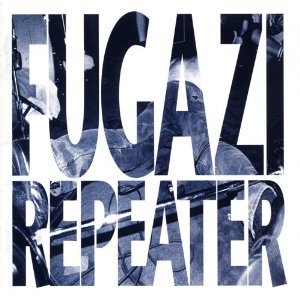
#239: Fugazi - Repeater (1990)


Zack: My only real exposure to Fugazi was from a Philly-centric blog that swore by “Fugazi Friday.” Even then, I would only bother to actually listen to the song every once in a while, even though I liked what I heard. I wasn’t exactly surprised that Fugazi put together a solid discography in their time, most notably their debut album here. And I wasn’t really surprised by how solid of an album it was overall. What did surprise me was the degree to which it was a balance between a late-80s punk album and an early 90s alternative album. Considering this is their debut, I really was expecting more of a straight punk experience. But the balance really made it stand out from all the other debut punk albums on the list.
Favorite Tracks: Blueprint; Repeater; Two Beats Off

Emily: I too read the Philly-centric, Fugazi-Friday-featuring blog that Zack mentioned above. However, I never even bothered to listen to the Fugazi songs at all. Mostly because I usually read said blog at work or in other places where playing music is frowned upon, but also because I wanted to read about Philly rather than listen to seemingly unrelated songs. I've read a bit about Fugazi as well, though I forget where, and they're quite the influence on later alternative and punk music. Through all that, Fugazi seemed like the kind of band I would like but never bothered to check out. Now, presented with the opportunity to check them out (or else), I found out whether I actually would like them - and I did. Repeater, the band's debut, has a punk edge but isn't a punk album persay. It seems to bridge the gap between punk and the grunge/alternative sounds that emerged a few years later. This innovative combo makes it clear why Fugazi and this album in particular, while less successful than their later peers, was so influential for years to come. And it's a great listen to boot.
Favorite Tracks: Blueprint; Brendan #1; Shut the Door

Monday, July 29, 2013

#238: Bob Dylan - Blonde on Blonde (1966)


Emily: On an album like Blonde on Blonde, you can't help but be blown away by Bob Dylan's songwriting. The instrumentation is simple, just an acoustic guitar and harmonica solos. While sometimes the harmonica was a bit screechy for my taste, the overall subtlety and simplicity allow the lyrics to shine through. Dylan is a storyteller through and through, and here we get elegantly painted stories inspired by and with a backdrop of the blues. Rather than exploring social messages and issues, Dylan takes us through the stories of individuals, of cities, of love, of loss - beautiful stories of humanity. I guess I can't count myself in the anti-Dylan cohort anymore, because I know I'll return to Blonde on Blonde again and again.
Favorite Tracks: Visions of Johanna; Stuck Inside of Mobile with the Memphis Blues Again; One of Us Must Know (Sooner or Later)

Zack: I meant to relisten to Highway 61 Revisited before listening to this because I know that both take place in Dylan’s random electric phase and I wanted to compare them.  But then I decided just to listen to it with my brother instead because, hey, screw it. I’m kind of glad I did because it allowed me to appreciate Blonde on Blonde by itself in a vacuum of harmonica solos and screechy vocals. And damn, it was great. It was a double album, but it never seemed to get old or lag or anything. Every song felt fresh and unique from all the others. From reading Wikipedia’s helpful breakdown of each individual song (really useful on Dylan albums because it can give you a snapshot of what he’s talking about – not exactly easy when really compelling instrumentation meets classic Dylan crytpiticism,) I learned that this variation was caused mostly from different blues influences. Some were Memphis blues, some were Delta blues (hell yeah, Lightnin’ Hopkins!), some were Chicago blues, and so on. All of it was fantastic. Now that I’ve finished, I think I’d like to go back and listen to both Highway 61 and Blonde on Blonde back-to-back to get an idea of which I like better. But both definitely stand apart as really great albums.
Favorite Tracks: Leopard-Skin Pill-Box Hat; Pledging My Time; Stuck Inside of Mobile with the Memphis Blues Again 

Wednesday, July 24, 2013

#237: The Fall - Live at the Witch Trials (1979)


Emily: Live at the Witch Trials is an early post-punk album. To me, it was so early that it still sounded like punk. The lead singer sounds a lot like the lead singer of the Dead Kennedys (perhaps it's the accent), so the whole time I listened I kept comparing the two. The Fall has a bit more range than the Dead Kennedys, branching out into the fuzzy rock sounds of post-punk, and their lyrics aren't as harsh. However, I have to give this one to the Dead Kennedys, whose explosive punk sounds capture the anarchist spirit of punk rock perfectly. The Fall don't come close to achieving that punk attitude, probably because they arrived on the scene a few years later when it was transitioning towards post-punk and other sounds. I'm curious to see where they go on later albums, as they get further removed from the punk scene and become more and more prolific. Guess I'll find out in a few hundred albums or so.
Favorite Tracks: Mother Sister!; Industrial Estate; No Xmas for John Quays

Zack: Wikipedia felt comfortable describing The Fall as a band with little populist success but an impressive cult following, so I feel comfortable saying it too. Wikipedia also felt comfortable noting that the band has seen high amounts of turnover at pretty much every instrument and that The Fall's incredibly prolific catalog features some wildly different styles. I gathered as much when I started listening to this album, considering I’d read just a few days prior about how they were a major influence in the Madchester scene, much like Happy Mondays. This worries me, sine we usually like to switch it up between albums instead of lingering in one particular genre or era. But, lo and behold, this album sounded nothing like Happy Mondays, but instead much like all of those typical post punk albums we’ve heard and I tend to have difficulty distinguishing. Admittedly, this one was a bit difference, since it didn’t appear to be too far post the punk. There was still a lot of aggressive energy palpable. But it certainly was no Madchester or even alternative album. Perhaps the other The Fall albums on the list (three albums, three separate decades) will gear more that way. But Live at the Witch Trials certainly wasn’t, but would be a great listen for any Talking Heads, Joy Division, or The The fans out there.
Favorite Tracks: Frightened; Two Steps Back; Underground Medecin 

Tuesday, July 23, 2013

#236: Steely Dan - Aja (1977)


Zack: Last summer, a friend strongly hyped Aja to me, but I kind of shrugged it off because something in my brain registered Steely Dan as being lame. Now I don’t want to say that I was wrong, so I’ll just say that I definitely wasn’t right. Holy shit. This was a smooth, flawless merging of rock, pop and jazz. We saw other bands like Spirit try the formula, and I vaguely liked it then. No more. Why settle for a cheap substitute when you can get that raw, uncut shit like Aja? If you don’t believe me, then just read what Ian Dury said about it. “It's a record that sends my spirits up, and really when I listen to music, really that's what I want.” Yeah. It’s just so good that it makes you happy to be listening to it. I don’t necessarily agree with Mr. Dury on the last sentence (sometimes I don’t want my spirits lifted, and then I listen to Nick Drake or The Cure), but if you want your spirits up on the fucking roof, Aja is for you.
Favorite Tracks: Josie; Peg; Deacon Blues

Emily: I like jazz, and I like rock, but jazz rock just doesn't seem like it would be my thing. I thought it would be boring or trying too hard to be cool when it just ends up sounding like what your dad (okay, my dad) wants to blast during his evening commute. After listening to Steely Dan's Aja, however, I have to admit that my preconceptions were wrong. This album takes the edge of rock and smooths it out with jazz and pop undertones. It's smooth without leaning towards the extremes of boring or sleazy. And many of the tracks are just fun and upbeat. Though I wouldn't say I loved Aja (and definitely not as much as Zack did), I can't deny my ears' enjoyment.
Favorite Tracks: Peg; Home at Last; Black Cow