Showing posts with label psychedelic rock. Show all posts

Sunday, January 14, 2018

#461: The Doors - The Doors (1967)


Zack: We last checked in with The Doors in February of 2013 which…man, I feel like I write about how long we’ve been at this in every post but that is just crazy. We were already more than 200 albums in then, and that was four years ago. Anyway, I had no memory of listening to that album so I went back and re-read my review, mostly just to look up how long ago it had been. In my review of L.A. Woman I wrote that I liked the album so much that I was planning on taking a deep dive into the rest of The Doors discography, going so far as to say, “So when either Morrison Hotel or The Doors rolls around, you can bet I’ll be a much more informed Doors fan.” Lol. What a sweet, naïve, person I was. If you made that bet, I’m sorry to inform you that it’s time to pay up. I have not delved into The Doors discography, and I don’t even think I’ve re-listened to L.A. Woman. So, this is The Doors’ second chance to thoroughly engross me, and maybe this one will stick. I am pretty impressed with the bluesy, heaviness that this album has. At points, the sheer weight of it feels palpable. The sound is more directly comparable to Black Sabbath than what I typically think of as psychedelic rock. But there are those tropes as well, and the mix of the heaviness and the swirling psychedlia make it a sound that stands out as its own thing. Maybe Iron Butterfly was similar, but otherwise The Doors sound like The Doors and no one else. It sounds simple, but a unique sound is one of the hardest things for any artist to cultivate. That they were able to do that here, on their very first album, is a testament to why the band is now considered so iconic.
Favorite Tracks: Break on Through; The End; Twentieth Century Fox

Emily: Fifty years ago, I bet Jim Morrison and The Doors had no idea that several of their songs would become mainstays in car commercials. That's really how I know many of the songs on this album - they've been repackaged as bouncy jaunts over visions of Hondas and Toyotas and probably a few Diet Cokes and replayed hundreds and hundreds of time in between Monday Night Football plays and Bachelor rose ceremonies. It's a blessing and a curse I suppose. On the one hand, this exposure means that millions more people know how awesome The Doors were. But on the other hand, it kind of bastardizes the whole heavy, psychedelic artistic expression that embodies this entire album. Jim Morrison was a one-of-a-kind talent, and that really shines through here on The Doors' debut. They have such a fully formed sound from that first song, Break on Through (one of the most prevalent Doors-in-commercials songs), and that coherent vision carries through throughout the album. It really shows that The Doors deserve to be explored in longer than 30-second snippets.
Favorite Tracks: Break on Through; Light My Fire; Soul Kitchen

Monday, September 4, 2017

#445: Neu! - Neu! '75 (1975)


Zack: We’ve come across krautrock before: first by Holger Czukay and second by the band Faust, although you might want to include Kraftwerk in that list as well. With the half-exception of Kraftwerk which I remember thinking was okay, none of those times left a particularly positive memory. I went back and reread what I’d written about Faust and Czukay, and one thing I had noted was that krautrock’s main defining feature is that it pays almost no dues to the universal elements of US/UK music. Certain rules of the game were developed by the folk artists, delta blues players, and early jazz musicians that inform how just about every modern musician – from metalheads to hip-hop artists to country singers to indie bands – performs their craft. A lot of krautrock is built around different rules entirely, so it sounds kind of jarring and uncomfortable. But Neu! was the first band where it kind of made sense. The album is split, with the first half being dedicated to the more ambient-based elements of krautrock and the second half being more rock-oriented. Doing so highlights both the similarities and differences, while showing how the two styles really complement each other. Comparing and contrasting the two allows the listener to see how rock tends to prioritize repetition and attention-grabbing, while krautrock focuses more on building rich and evolving soundscapes. And while I preferred the rock half more, having them both there heightened my appreciation for both.
Favorite Tracks: Hero; Seeland; After Eight

Emily: Wikipedia describes Neu! '75 as "a split record, subtly melodic in the first half and boldly unconventional in the second." Respectfully, I must disagree with this internet-curated description. While the first three tracks of the album combines subtle melodies with hypnotic krautrock sensibilities, the latter three tracks are bold in their rhythms but rooted in rock music. I didn't find the result unconventional, but rather took the then-conventional sounds of rock & roll and psychedelic rock and infused them krautrock ambiance. Unconventional or not, these three songs take krautrock a few steps further than what we've encountered before, merging the German genre with familiar ideas to great, enjoyable effect.
Favorite Tracks: Hero; Seeland; After Eight

Saturday, June 3, 2017

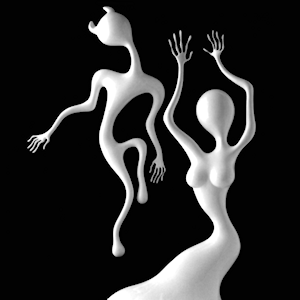
#429: Spiritualized - Lazer Guided Melodies (1992)


Zack: I noticed that I’ve been pretty ambivalent to the last handful of albums, mostly noting that they were fine at best. When I saw that the next album I had up to listen to was listed as psychedelic rock and was an hour long, I just assumed that this streak would continue. Luckily, I was wrong. I really liked Lazer Guided Melodies. It had this serene quality to it that made it perfect for the mood I was in when I listened to it (doing mindless busy work in the process of building a database for my dissertation, but early on in the day before my brain is fried from staring at a screen for like 14 straight hours). The music just seemed to float around me. It swaddled me like a warm blanket. I wonder if the album would have been as pleasant if I had listened to it while in a different mood or while doing something else. I probably wouldn’t have given it much thought then. But, fortunately, it was absolutely perfect for me in that moment and I’m very glad I got to enjoy it.
Favorite Tracks: You Know It’s True; Shine a Light; Run

Emily: An experimental album that misspells "laser" in its title didn't seem to bode well for my laid-back Saturday morning listening. I expected something along the lines of bombastic screeching - all the better to accompany a faux-spiritual laser light show. Luckily, Lazer Guided Melodies leans much more on the melodies than the lasers. The album had a peaceful, lullaby-like quality, which at its worst was a bit a boring but at its best was a lovely accompaniment to some cold brew coffee and the New York Times on a quiet weekend morning.
Favorite Tracks: You Know It's True; I Want You; Angel Sigh

Thursday, January 14, 2016

#383: Moby Grape - Moby Grape (1967)


Emily: A recent trend that's popped up on this blog is '60s psychedelic-rock bands named after fruit. First the Electric Prunes, and now Moby Grape. I didn't even plan it that way! I wonder if they ever shared a stage in 1967, because that pairing is ripe (heh) for so many branding opportunities. And it's not like sharing a stage would just be a novelty because of their names. Both bands emerged around the same time into an emerging psychedelic rock scene that drew on rock and roll, blues, country, and so many other influences and created something uniquely of that moment. Here, Moby Grape draws on all of that, creating links among all of these influences and starting to shape the psychedelic rock sound that defined that year and that era. I can only hope that there's a third band to round out a psychedelic fruit trifecta, but it'd be hard for that band to stand up against the Prunes and Grapes of the day.
Favorite Tracks: Mr. Blues; Omaha; Come in the Morning

Zack: Remember like 10 albums ago when I ranted about Beau Brummels? If not, go read that review, because it’s like a paragraph and the site navigation on Blogspot isn’t THAT bad. Basically, I found it preposterous that an album as weak as Triangle should be included, especially considering that the musical scheme around that album (the year 1967) was so lush. Triangle’s one claim to fame was that it tried to merge a lot of different genres (folk, country, psychedelic, rock, etc.), but I was confident that there had to be a better example out there. Turns out I was prophetic, because Moby Grape is exactly that. Coming from the same year (Triangle was released about a month later), Moby Grape successfully blended a bunch of different musical styles being practiced by their contemporaries into a single cohesive sound that is actually interesting and worth listening to. While I wouldn’t say I was particularly blown away by it, I enjoyed it enough that I think you can make a great case that it’s worth listening to.
Favorite Tracks:  Changes; Mr. Blues; Indifference

Monday, December 28, 2015

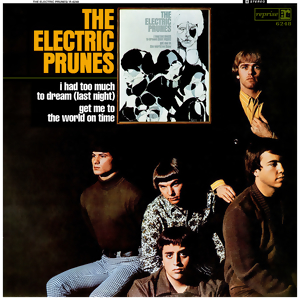
#379: The Electric Prunes - The Electric Prunes (1967)


Zack: This was one of the hardest albums for me to obtain, for reasons that I don’t quite understand. Most of the ones that are hard to track down (including the 10 or so I’m still missing, 5 years into this endeavor) are weird world albums that involve going through a translator. And then there’s the Electric Prunes, for some strange reason, which involved a series of mazes to avoid relying on Spotify. Overall, I kind of liked this album. It was short (something I am very much on record endorsing) but also had an innovative vibe to it. It didn’t give itself all the way over into psychedelia, but there was enough there mixed with a nice ambient rock thing to keep it fresh. Overall, you can hear how this was probably a major touchstone for both bands that came out a few years later as well as some a few decades later, Radiohead especially.
Favorite Tracks: I Had Too Much to Dream (Last Night); Onie; Try Me On For Size

Emily: I decided that we should listen to this album purely because of the band name. Anything with the word prune in it is always amusing to me. In Ocean City, MD, where my family has gone on vacation for years, there's a donut shop called The Fractured Prune that has a logo depicting an anthropomorphic prune on crutches with bandages. The donuts are quite delicious, but it's the name and logo that I always remember. I think the same will be true for The Electric Prunes. Their self-titled album is a solid example of '60s early psychedelia, with the trippiness balanced out by atmospheric rock. However, the name is still my favorite part, and I know that's what I'll remember down the line.
Favorite Tracks: I Had Too Much to Dream (Last Night); Train For Tomorrow; Get Me to the World On Time

Tuesday, July 14, 2015

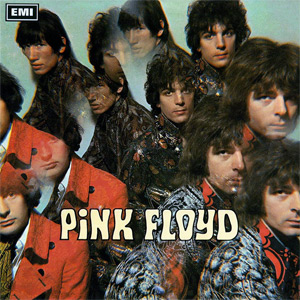
#352: Pink Floyd - The Piper at the Gates of Dawn (1967)


Zack: When we first started writing this blog, nearly five years ago (holy shit!), I named Pink Floyd as my second favorite band/artist. At the time, that was totally true. When it came time to revise the list, nearly two years ago (once again, holy shit!), they had been bumped from the top 5. At that time, that was totally true. And as of today, they have not reclaimed their original place, although they do threaten to break back in. Why have they fallen? Mostly, it’s because I discovered new (but mostly very, very old) artists that totally blew me away. But part of it is that the Pink Floyd that used to deconstruct my entire consciousness simply stopped doing that for me. I used to put on Animals on my shitty MP3 player my freshman year of college, gaze at the ceiling, and let the music wash over me while I tried to fall asleep before 4 a.m. (college, amirite?) Now, I listen to Pink Floyd and appreciate how cool it is without feeling overwhelmed by its awesomeness. But Piper presented an opportunity to reawaken my love for the Floyd for a simple reason: I’d never listened to it before. My four staples used to be (in order): Dark Side of the Moon, Wish You Were Here, Animals, The Wall. I’d listened to other stuff, but never got around to Piper. When we started the blog, I intentionally avoided listening to it so that I could document my first time here, for your pleasure. And, having waited so long, my reaction is…meh. I liked it, but the biggest takeaway for me was that I really prefer spacey psychedelic music over fantasy psychedelic music. Most of Pink Floyd’s music falls in the former camp, but Piper didn’t. And, seemingly as a result, I didn’t like it as much. It’s a shame because I was really looking forward to this album. But, ultimately, it just couldn’t capture the magic of the first time I heard the other Pink Floyd albums.
Favorite Tracks: Interstellar Overdrive; Matilda Mother; Astronomy Domine

Emily: I decided to pick up my listening-to-music-while-walking-to-work thing again after a few weeks of totally failing at it, so I started The Piper at the Gates of Dawn without much knowledge besides that it was next on the list and that it was early Pink Floyd. I've listened to only a bit of Pink Floyd over the years (though I did go to an outdoor showing of The Wizard of Oz synced up to Dark Side of the Moon last summer), so I knew to expect psychedelic and trippy musical stylings with perhaps some sort of interwoven story or theme running through. That's kind of what it was, but I could definitely tell that it was early in the band's career. They hadn't quite fleshed out the sound that made them so unique and timeless a few years and albums down the line, so a lot of the album sounded like things we've come across before on this blog. I also thought it kinda sounded like a trippy '60s James Bond soundtrack, which at least held my interest throughout the album. Maybe The Piper at the Gates of Dawn syncs up to Goldfinger? Only one way to find out...
Favorite Tracks: Interstellar Overdrive; Astronomy Domine; Take Up Thy Stethoscope and Walk

Monday, March 30, 2015

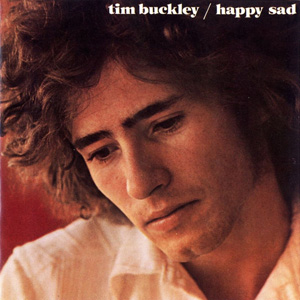
#338: Tim Buckley - Happy Sad (1969)


Zack: Originally, I only knew Tim Buckley as blog-favorite Jeff Buckley’s negligent, dickish dad. Now I know him for GRATUTIOUS XYLOPHONE. Seriously, not since my 2nd grade music teacher has anyone demanded more xylophoning. Technically, my first impression wasn’t quite correct. It turns out that the instrument in question was actually a vibraphone, not a xylophone. Which just means GRATUTIOUS VIBRAPHONE. Once I got over the excessive vibraphoning, I noticed that Happy Sad is sort of like an inverse Nighthawks at the Diner. Both albums are quite good, feature heavy jazz influences on artists who made their reputations in other genres, and have some great jam sections. But where Nighthawks adds a little grit to everything in his path, Tim Buckley is content to leave the songs as pleasant as possible. Overall, Happy Sad was a good album, even if the vibraphone was a bit distracting.
Favorite Tracks: Gypsy Woman; Buzzin’ Fly; Dream Letter

Emily: I picked Tim Buckley (a) because Zack put 2 of his albums as choices for this part of the list, not-so-subtly influencing me to choose one; (b) because of the potential relationship to Jeff Buckley, based purely on last name alone (and my instinct turned out to be right, as Tim was Jeff's father); and (c) because I was intrigued by the concept of Happy Sad. Would the album jump between happy and sad, like manic depression? Would it blend the emotions together into soulful musings? Would it be neither happy nor sad, just selecting the name to deceive listeners? After a listen, it seems that Happy Sad is all three of those. Some tracks are more psychedelically upbeat, reflecting the optimism of the era, while others are more plaintive and introspective. But the concepts of happy and sad blend throughout the six tracks with influences from jazz, folk, and psychedelic rock, creating an album full of interest and emotion that I will certainly return to again.
Favorite Tracks: Gypsy Woman; Sing a Song for You; Buzzin' Fly

Sunday, January 4, 2015

#312: Big Brother and the Holding Company - Cheap Thrills (1968)


Zack: We haven’t listened to anything with Janet Jopler in so long that I wasn’t even aware to make that reference the last time. But I still remember Pearl very clearly, especially how haunting Jackie Jormp-Jomp’s voice was. Cheap Thrills is another flawless example of this remarkable skill. It’s concise, but each song really carries a long way. Combine that with some really excellent musicianship, and you have an album that really does sound completely modern. Soon, I will be embarking on my new annual tradition of going through a bunch of the top-reviewed albums of the past year in a marathon binge-listening session. I know there were several neo-psychedelic albums that came out, and Cheap Thrills – while not as psychedelic as some other contemporaries – will definitely be a good measuring stick to use.
Favorite Tracks: Summertime; I Need a Man to Love; Piece of My Heart

Emily: Janis Joplin simply has one of the most iconic voices of all time. Pearl is an album I've listened to many times over since we first reviewed it here over 4 years ago, and every time I'm still blown away. That's why I chose Big Brother and the Holding Company for this batch, almost 300 albums after our initial introduction to Joplin. This time we're moving back a couple years to her second and final album with this band, recorded and released shortly after their iconic performance at the Monterey Pop festival. Cheap Thrills takes the, well, thrills of their live performance by using some live tracks intermixed with studio recordings. The resulting 37 minutes showcases Joplin's amazing talent, producing some of her best songs that boom out of speakers with heart-wrenching delivery. Listening to Pearl in 2010 introduced me to Janis Joplin, and today Cheap Thrills definitely cemented my fandom.
Favorite Tracks: Piece of My Heart; Ball and Chain; Turtle Blues

Sunday, April 27, 2014

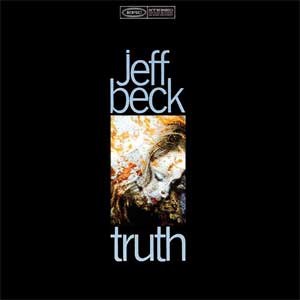
#277: Jeff Beck - Truth (1968)


Zack: My dad is a pretty big Jeff Beck fan (although a bigger fan of Eric Johnson, not that there’s a natural competition between the two), so I’ve been exposed to the virtuosity that is Beck shredding. I’ve also listened to a decent amount of The Yardbirds, especially Beck-era (Jeff’s Boogie, anyone?). So I knew what to expect from Truth, even if I had never listened to this particular album before. And I certainly wasn’t surprised by much of what I heard, except for the fact that there were certainly about infinity times more tracks with vocals than I expected. Apparently, that’s because Rod Stewart was an early member of Jeff Beck Group, something I did not nor really wanted to know. The whole album is filled to the brim with notable cameos, including Jimmy Page, John Paul Jones, and Keith Moon all on the world-shattering Beck’s Bolero. But more important than all the famous Faces (see what I did there?) are all the genres being blended together to form a beautiful bisque of guitar mastery. Blues, psychedelic, and heavy metal all get stirred together in Beck’s capable hands and nimble fingers in a way that is unique and that lets you know that a master is at work.
Favorite Tracks: Beck’s Bolero; Morning Dew; I Ain’t Superstitious

Emily: I actually listened to Truth a few weeks ago on an early-morning train ride to DC. I was computer-less on my journey, so I couldn't actually write anything at the time. Once I got home later that afternoon, I was tired and couldn't think of anything to write. I told myself that I would get back to it as soon as I could. Well, the end of the semester had gotten in the way so I didn't exactly have the time for leisurely blogging activities. Now, though, I am done with class and in the midst of preparing for finals. Since I'm not one to be able to focus for hours and hours on end, I need a few breaks in between outlines, studying, and practice exams. Forty-five minutes or so does the trick; consequently, many of the albums on our list are about forty-five minutes long. The point of that summary of my life at the moment is this: I foresee much blogging between now and next Thursday. And that (finally) brings me to Jeff Beck. I still don't know much about his guitar virtuosity beyond a cursory skim of Wikipedia and Zack's review, but this album really demonstrated what he's all about. With blues guitar at the core, Beck and his band blend together multiple genres of rock into a sound that's unique for its time and definitely classic today.
Favorite Tracks: Blues de Luxe; Let Me Love You; I Ain't Superstitious

Thursday, February 6, 2014

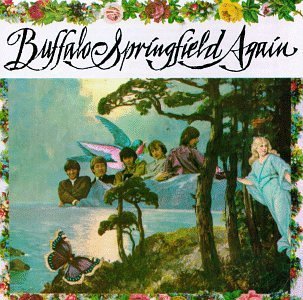
#270: Buffalo Springfield - Buffalo Springfield Again (1967)


Zack: Guess what guys! We found a way to shoehorn more Neil Young in without waiting another 400 albums! Buffalo Springfield was the band that launched the careers of Stephen Stills and, much more importantly, Neil Young. Buffalo Springfield Again is their second and penultimate album. And that should catch you up on all the basic facts. Young wrote three of the 10 tracks, but surprisingly only one of them appears below in my favorite tracks. Why is that? Because he decided to run off and produce two “orchestral experiments” with one of Phil Spector’s lackeys (Wikipedia describes him as an associate, so I don’t know if he assisted in producing music or just held Phil’s guns when not in use…..too soon?). While I found both Expecting to Fly and Broken Arrow to be interesting and good songs in their own right, they pretty clearly stood out like a sore thumb when put in the context of an album of psychedelic folk rock. No, the four songs written by Stills are clearly the backbone of this album, and it would be disingenuous of me not to give him credit for shaping what this album is. Buffalo Springfield Again is a solid, breezy folk album from the 60s. If you like folk and haven’t listened to it yet, you pretty much have in spirit anyway. Which isn’t to say that it isn’t good. It’s a fine album, but all the credit for that has to go to Stills’s writing on Bluebird, Rock & Roll Woman, and Hung Upside Down. That said, Young’s Mr. Soul was still my favorite song on the whole damn thing.
Favorite Tracks: Mr. Soul; Rock & Roll Woman; Bluebird

Emily: Since one of my classes was cancelled today, I've had the whole morning ahead of me to get some stuff done. Chores, TV catch-up, homework, and Buffalo Springfield were all on the agenda. I got through the first two items, and then decided to combine homework with my blogging pursuits and play Buffalo Springfield Again. I'm only working on background research for an upcoming assignment, so I figured I could easily pay attention to both the album in my ears and the cases on my screen. However, it turns out my multitasking wasn't quite on point today. While I could focus quite well on the myriad Westlaw cases I had to read, Buffalo Springfield kind of went in one ear and out the other. At a few points, I checked iTunes and realized a whole song had passed and I hadn't even realized it. I went back and relistened to those, but I still don't feel like I got a good grasp on the album. It's folk-rock, but a fairly quiet brand of folk-rock. Beyond the excellent Neil Young-penned first track, nothing really stood out and grabbed my attention. Perhaps Buffalo Springfield Again requires me to listen again, but even then I'm not too sure I'll be hooked in.
Favorite Tracks: Mr. Soul; Sad Memory; Everydays

Tuesday, August 6, 2013

#242: T. Rex - Electric Warrior (1971)


Emily: Zack originally classified this album under psychedelic rock. Wikipedia says its glam rock. Both of those label, however, are somewhat misleading. There were psychedelic influences throughout Electric Warrior, as well as some grooving glam tracks, but the album transcends those genre lines and draws on a bunch of different sounds from the era. The result is fun, upbeat, and rockin'. Get it On, T. Rex's big international hit and the best-known song from this album, sounds almost like disco a few years early (with the awesome addition of glammy guitars). Is Electric Warrior the greatest of any of the genres it explores? Of course not, but it's still a great time to be had.
Favorite Tracks: Get it On; Mambo Sun; Rip Off

Zack: This album was a major disappointment, in that there wasn’t a single roar from a prehistoric apex predator. Really, that’s all I’ve ever wanted from an album. Once I got over that crushing blow, I came to be quite fond of Electric Warrior. It did a great job at embodying some of the musical trends that developed in the late 60s and early 70s while also avoiding the common pitfall of sounding dated. It wasn’t the greatest album of that year (I actually looked it up, and Who’s Next, What’s Going On, Sticky Fingers, From Fillmore East, Pearl, Blue and L.A. Woman were all released that year. And those are just the ones we’ve listened to already.) But it still was pretty solid overall and worth checking out.
Favorite Tracks: Get it On; Life’s a Gas; Mambo Sun

Friday, June 14, 2013

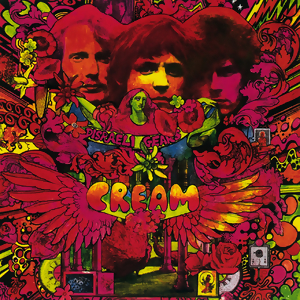
#220: Cream - Disraeli Gears (1967)


Zack: Behold: The first Clapton-related album I ever listened to. And it is indeed a marvel. For those of you curious about the exact path I took into Clapton fan-dom, I started, as I think many must do, by hearing Sunshine of Your Love. That is one killer of a song. So I tracked down the album it originated from and gave that a listen. I guess I was probably 16 or 17 at the time. Mind, meet blown. So then I went through Fresh Cream and Wheels of Fire (I skipped over Goodbye. Not sure why. It’s not particularly great, but Badge is a good song). From there I just grabbed whatever Clapton solo stuff my Dad had – August and Journeyman were the two that stuck out – and checked that out. They’re both kind of hit or miss, but Miss You (off August) remains one of my all-time favorite Clapton jams, no matter what Rolling Stone says. I located Riding with the King and Unplugged to vary it up as well. Both are awesome. I never made it to Derek and the Dominoes, other than Layla of course, or Bluesbreakers, but both are represented on the list and I eagerly await the opportunity. But to return to what launched my exploration, Disraeli Gears just has a bit of something for everyone. It’s kind of psychedelic, but there’s a real hard rock vibe as well. Of course there’s Clapton’s signature bluesy guitar and Ginger Baker’s jazz drums. All of these different components meld together perfectly to create a spinning sea of virtuoso musicianship. Besides for being my first Clapton exposure, it remains to this day my favorite example of his work.

Favorite Tracks: Sunshine of Your Love; Tales of Brave Ulysses; SWLABR

Emily: Unlike Zack, I know next to nothing about Cream. I first heard Sunshine of Your Love on Guitar Hero back in the day, and that song is fucking awesome. Also really easy to play on Guitar Hero. I don't know much beyond that. Oh, also that Eric Clapton is in the band. Yeah, I don't know all that much. I'm glad I got a bit more exposure to Cream by listening to this album in its entirety. You can clearly hear the late-'60s influence swirling around through a blend of blues guitar with psychedelic ambiance. Sunshine of Your Love still embodies this best with one of the best basslines and guitar riffs in all of rock music. So whether you're a Clapton expert like Zack or just a former Guitar Hero player like me, Disraeli Gears is a classic album worth listening to.
Favorite Tracks: Sunshine of Your Love; Strange Brew; Tales of Brave Ulysses

Sunday, February 10, 2013

#212: The Doors - LA Woman (1971)


Zack: I’ve been meaning to get into The Doors forever, but never really had enough motivation. That feels weird to say, being such a huge Hendrix and Pink Floyd fan, as well as a moderate Joplin and Jefferson Airplane enthusiast. I feel like this should have happened a lot sooner, but here we are. L.A. Woman is the first Doors album I’ve ever listened to, and I was really impressed. It had that bluesy feel that I love so much but was also just pretty heavy and psychedelic. I was enamored by this album and can already guarantee multiple listens. What I’m also pretty excited for is to delve into the rest of their discography. That’s been a minor subplot to this whole adventure. If I like a band from listening to a list-worthy album, I’m usually quick to obtain and devour the rest of their discography, or at least what’s not on the list. I went right through The Flaming Lips (except Soft Bulletin, which I’ve heard almost every song off of because of Pandora at this point) and Joy Division from way back when and have dipped my toes into extra Bowie, Neil Young and Pixies. I’m now an avid Johnny Cash fan and can’t wait to listen to San Quentin. It’s always a gamble because the albums that didn’t make the list usually fell short for a reason, but I have a good feeling about Strange Days, Soft Parade and Waiting for the Sun. So when either Morrison Hotel or The Doors rolls around, you can bet I’ll be a much more informed Doors fan.
Favorite Tracks: Changeling; Crawling King Snake; Cars Hiss by My Window

Emily: The Doors are a legendary classic rock band, but if you had asked me what I thought of them before about an hour ago, I would probably hum in a perplexed fashion and ultimately admit that all I really knew about them was that when America's Next Top Model was in Paris two of the girls went to visit Jim Morrison's grave and dramz ensued because the other two girls wanted to go shopping or something. Luckily, I am substantially more informed now that I have listened to LA Woman. This is the last album that Morrison recorded with the band before his death and consequent membership in the "27 Club." So I'm working backwards here, but as a later album I'll conjecture that LA Woman showcases the developed Doors sound. It's bluesy and rock and psychedelic, but put together in a unique way with Morrison's vocal prowess. As we continue through the list and come across The Doors again, I hope we continue to move backwards in the band's discography. I'm curious to see how this evolution of heavy blues psychedelia came to be.
Favorite Tracks: L'America; LA Woman; Been Down So Long

Thursday, November 8, 2012

#194: Spirit - Twelve Dreams of Dr. Sardonicus (1970)


Zack; Ah, the train. The pinnacle of modern technology 150 years ago. I jest, I actually love train rides. They take my mind off of so many of my problems, partially because they rarely come with a wireless signal. This always adds another wrinkle to album-listening as well, since I can no longer rely on merely Wikipedia-ing random factoids about a band or album to take the place of having really poignant things to say. I can’t out-think the music. And so, on this album, I decided to really put that to the test. I don’t even know when this album was made. I have absolutely no clue who these guys are. Below, you can see my notes as they were originally written. The first song made me think of Hendrix, and then from there I decided to try and match every song with an artist. Let’s see the results:
1) Hendrix-esque? Free styling, element of virtuoso
2) Definitely not Hendrix, acoustic, lots of call and response (Crosby, Stills & Nash?)
3) Garage rock-ish, Stooges/Iggy Pop
4) Weird hybrid of David Bowie and Talking Heads
5) Lynyrd Skynyrd, which is hilarious because it’s only 1 minute long
6) Vocals are off, but the song composition itself reminds me of Springsteen
7) I’m almost positive this is actually a Pink Floyd song. I think it was originally called Shine On You Crazy Diamond part 26.
8) Early Eric Clapton, with only a mildly mind-bending solo
9) Allman Brothers. Not dead on, but the exaggerated sense of freewheelin’ is there as well as a section where a guitar gets ripped to shreds
10) Electric Light Orchestra? This one was hard to peg but I think ELO is the best mix
11) Elton John motherfucker. Weird to say because it’s not piano-driven, but the robustness of the song is classic Elton.
12) I’m calling bullshit on myself for this one, but I got The Killers. It reminded me of Exitlude off of Sam’s Town

Well that’s conclusive. So these guys are some kind of mix of psychedelic rock, folk, garage rock, glam rock, post-punk, southern rock, experimental rock, blues rock, and alternative rock that probably came out some time between the sixties and last year. Oh, and my iTunes labels them as jazz, so don’t forget that element. Case closed. Seriously though, they’re pretty diverse sounding with a lot of interesting compositions. It’s hard to peg this album, and even trying to feels like pidgeonholing it. I’d stop short of saying it was fantastic. I don’t think it really nails any element that they incorporate particularly well. But the range that’s involved is pretty darn impressive. I especially liked the songs where they drifted towards the virtuoso stuff. Hendrix, Duane Allman and Clapton are probably my three favorite guitarists of all time, so it was cool hearing some element of what they all do in the same album.
Favorite Tracks: When I Touch You; Street Worm; Prelude – Nothin’ to Hide

Emily: Zack listened to this album by accident in lieu of another jazz album we had previously chosen. Fine by me, since I don't know much from the jazz on this list anyway. When I turned on this album, though, it was most certainly not jazz. Sure, there are some jazz-rock elements to it. But it's primarily psychedelic, with some roots, folk, country, and classic rock all thrown in there. These disparate influences didn't really come together for me. There were a few songs that I enjoyed, but the album as a whole was inconsistent and a bit confused. I think Spirit needed to pick one genre - say, jazz, since that's what we and Wikipedia classified them as anyway - and do it really really well before adding in a few external influences. Otherwise it sounds like 12 songs off of 12 completely different albums.
Favorite Tracks: Prelude - Nothin' to Hide; Street Worm; Mr. Skin

Wednesday, September 5, 2012

#184: 13th Floor Elevators - The Psychedelic Sounds of the 13th Floor Elevators (1966)


Zack: Can someone please explain to me how an electric jug works? It’s got me really confused. I’ve done a substantial amount of research on the subject ever since I read that the 13th Floor Elevators used one on this album, and I’ve seen photographic evidence that they exist. But just how and why? As baffling as the how is, the why is an even more preposterous problem to postulate on. Why is this happening? I don’t mean to let on that this album wasn’t enjoyable. In fact, quite the opposite. It was a pretty entertaining time. Blues, garage rock, folk and psychedelic influences all seamlessly merged. All are genres I appreciate, and they are all used effectively here. But the inclusion of the electric jug wasn’t quite as seamless. It deserves its own Christopher Walken and Will Ferrell skit on SNL. More electric jug is something that should be shouted from the rafters in an effort to create laughter. Surely, the idea that an electric jug, with subtlety thrown to the wind, is just the last element necessary for a song to reach its true potential provides the sort of fodder that only requires some long wigs and tight pants to push over the edge into the boundaries of late-night television. And that, my friends, is what I took away from this album.
Favorite Tracks: Kingdom of Heaven; Roller Coaster; Thru the Rhythm

Emily: I really, really enjoyed this album, but I'm not quite sure why. I know it wasn't the unique element of the electric jug. I'm still not quite sure how that works, considering a jug is an empty bottle and bottles generally do not require electricity. And I agree with Zack that it seemed pretty pointless. To me it sounded like simulated bubbles popping, like a Spongebob Squarepants sound effect repeated over and over again. Not exactly a versatile or even necessary instrument. Seriously, jugs should not be electrified. But jug or no jug, I really liked the 13th Floor Elevators. This album was upbeat and fun, but not poppy or vapid. The proto-psychedelic sound is firmly rooted in blues, rock&roll, and early '60s garage rock. This album came slightly before psychedelic got weirder and more famous, so the rock roots definitely set it apart. That still doesn't answer why I liked this album so much though. A lot of albums came out of this era with similar influences, but this one just resonated with me. Alas, an unsolved mystery. At least, perhaps, until I listen to it a few more times.
Favorite Tracks: You're Gonna Miss Me; Reverberation (Doubt); Fire Engine

Saturday, July 28, 2012

#171: The Mothers of Invention - Freak Out! (1966)


Zack: As I write this, I am nearing my third time through this album. The last time this happened, it was Rust Never Sleeps by Neil Young and it was like 4 a.m. That is not quite the case here. I first listened to Freak Out! two days ago. At the time, I was tired, had to be up at 5 the next morning, and was very stressed out. I could tell that there were a lot of layers to the album that I just wasn’t paying attention to because of all those distractions. Quite frankly, I wasn’t in the right mindset to listen to it. So the next day, I switched it up a little. I got a bottle of bourbon and swung by a friend’s apartment. We drank and listened to it together. While he hadn’t listened to Freak Out! in quite some time, he did know several interesting facts about the album that not even the mighty Wikipedia had told me. But, more importantly, he (and the bourbon) helped me relax and get closer to the right state necessary to really enjoy this ultra-influential work. But of course I wasn’t just going to stop talking with him and write a review right there, so I had to wait until today. By that point I figured I could use a quick refresher, hence the third listen. Now that I explained the arduous process I needed to endure to get to this point, let me say that this album is brilliant in idea and great in execution. Frank Zappa and company, for their debut effort, decided to tackle the superflousness of pop culture. Most of the album sounds like pop tunes that are just slightly…off. They’re catchy but usually featuring an extra layer of odd instrumentation (most often a kazoo) meant to make them sound childish. The lyrics range from the ludicrous (all of Wowie Zowie) to the meta (“I think your life is incomplete/But maybe that’s not for me to say/They only pay me here to play”). Freak Out! is one of the first concept albums, but the uniting theme is, in most places, the intentional lack of a theme. While the album is bookmarked on each end with a runs of experimental stuff, the middle portion rotates routinely between some cheesy love song and a break-up song. In order it goes Go Cry on Someone Else’s Shoulder, Motherly Love, How Could I be Such a Fool, Wowie Zowie, You Didn’t Try and Call Me, and Any Way the Wind Blows. Without fail, a mushy gushy love song is brought crashing down a whining track about a failed love. This pattern has a bit of a devastating effect. The implication is that the love that exists in one song is such an invention, a pure piece of corporatism crap meant to be fed to a public who wants to hear love songs, that it can be easily disassembled in the next song, and then repeated over and over again into infinity. There is no real emotion behind these songs. It is all manufactured solely to move the album along. The consequence is that the “concept” part that makes this a concept album isn’t floating on the surface like others we’ve encountered. It’s hidden underneath, in a layer called subtext that I rarely like to go now that I’m not in a high school English class anymore. But I suppose listening to an album three times before writing a review has to result in at least a moderately deeper analysis than usual (sorry!). Beyond all the highbrow concept and phony pop songs, there are the experimental tracks I mentioned earlier. Who Are the Brain Police and Help, I’m a Rock are both different and I think are probably hit or miss from person to person. The former didn’t really gel with me all that much, but I kind of liked the latter. But the biggest example of just musical weirdness has to be Return of the Sound of the Monster Magnet. This is what Zappa said to the producer leading up to its recording: “I would like to rent $500 worth of percussion equipment for a session that starts at midnight on Friday and I want to bring all the freaks from Sunset Boulevard into the studio to do something special." You know only good things can happen when that’s the foreshadowing. Return of the Sound of the Monster Magnet is over 12 minutes long (or 1/5th of the hour long double album) and really highlights the freaks from above. It’s all over the place with weird sound effects and noises. But somewhere deep within all the chaos is an awesome song that somehow doesn’t seem to drag on nearly as long as it should. To wrap this novel up, Freak Out! is the kind of album that grows from pure creative genius being unleashed in a studio. In talking to some friends who are Zappa fans, I’ve heard a consensus that the band (and Zappa individually) really grow as musicians and their subsequent albums are better in that respect. But I have my doubts that we will encounter another album on this list as masterfully designed as this one. Although, if we do, I may need to listen to it only once, lest I write another behemoth post like this one.
Favorite Tracks: Hungry Freaks, Daddy; Return of the Sound of the Monster Magnet; Any Way the Wind Blows

Emily: What someone deems experimental in one era can become commonplace and mainstream by the next, or it can sound like someone dropped a bunch of random objects and recorded the impact of their noises and called it music. It all depends on the success of the experiment. Freak Out!, Zappa’s debut album, embodies both of those views of experimental music to an extent. Debuting in 1966, Freak Out! incorporates the bluesy, upbeat sound of that era’s rock music with satirical social commentary – unique for a band that used to only do R&B covers. Zappa’s spoken-word-esque delivery highlights his message in the tracks of this style. Later on, however, the last few tracks take on that let’s-record-random-noises sound that I know is influential but also pains my ears. I’m interested to hear where Zappa went with these disparate influences as he honed his sound beyond his debut – blues, rock, noise, or something completely different? Whatever it is, I’m excited to find out as we continue the list.
Favorite Tracks: Hungry Freaks, Daddy; Trouble Every Day; I Ain’t Got No Heart

Friday, July 27, 2012

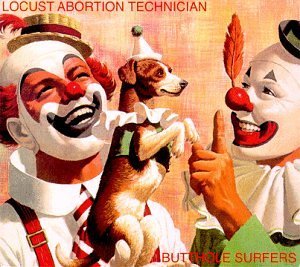
#170: Butthole Surfers - Locust Abortion Technician (1987)


Zack; This album made me feel like a bit of a hypocrite for liking it so much. It’s very much similar to what Sonic Youth does, but I just thought the Butthole Surfers did it better. Maybe it’s the way they incorporate more punk and psychedelic sounds. Or maybe it’s just because when they make screechy noises it’s not anywhere near as pretentious and annoying as when Sonic Youth do it. It’s just kind of heavy and weird but in a good way. I guess that’s the difference buckets of drugs can have. All I know is it sort of sounded like a lot of bands rolled into one. There was definitely some Sonic Youth, Nirvana, Led Zeppelin, and a few other things I couldn’t quite put my finger on. Anyway, I loved it. It was a merger of a lot of different types of music in a way that was different from how most artists produce those types of albums. Typically, a lot of those genre-benders will change the type of music from song to song. Maybe one song will be a superfast punk-inspired jam and the other is a slower ballad or something. This wasn’t like that. All the different influences were rolled together into one cohesive unit that really kicked ass.
Favorite Tracks: 22 Going on 23; Human Cannonball; Sweat Loaf

Emily: With a band called the Butthole Surfers, you have to expect their music to be weird. Double that for an album called Locust Abortion Technician. What I didn’t realize, however, was just how absolutely bizarre the 35 minutes I spent listening would be. The album is avant-garde and driven by noise and distortion. The early tracks are not melodious, and perhaps a bit hard on one’s ears, but some later songs are more guitar-driven and edge towards punk. Perhaps the best example of the weirdness is the closing track, 22 Going On 23. It’s not a song persay, but a series of sound clips of a sexually assaulted woman from either a therapy session or a distressed 911 call, warped and played over a loop of distorted guitar. I’m not sure how fucked up one has to be to come up with that idea, but the Butthole Surfers certainly have accomplished it.
Favorite Tracks: Human Cannonball; Kuntz; Graveyard

Wednesday, July 18, 2012

#167: Jefferson Airplane - Surrealistic Pillow (1967)


Emily: Jefferson Airplane was one of the first bands to bring psychedelic sounds to the mainstream, and Surrealistic Pillow is perhaps the defining sound of the 1967 Summer of Love. It’s definitely psychedelic, but more focused than I expected. Rather than the rambling 11-minute-plus acid trips that emerged a bit later, this album is a bit more focused and concise. Each song embodies the free spirit of the era – it’s easy to imagine Grace Slick surrounded by a bunch of hippies dancing/swaying/feeling the love in a San Francisco park as she croons Somebody to Love – but the short lengths keep the album moving and the listener engaged. This formula works best with faster-paced songs that mix elements of folk, electric guitar, and early psychedelia. The best song on the album, however, is a bit different. White Rabbit slows things down a bit, with Slick’s haunting vocals and a sparse arrangement incorporating trippy images of Alice in Wonderland falling down the rabbit hole and veiled references to psychedelic drugs. Although a symbol of the counterculture sweeping the late ‘60s, this album and the aforementioned songs have earned their place in the pantheon of popular music. Perhaps we all have some hippie in us after all.
Favorite Tracks: White Rabbit; Somebody to Love; How Do You Feel

Zack: Going back and re-listening to albums that I haven’t listened to in forever is quite an experience. I was really into Jefferson Airplane back when I was a senior in high school, but now that I am rapidly approaching my senior year of college, I must confess that I was feeling unfamiliar with this album that I must have listened to at least a dozen times a few short years ago. The unfamiliarity made it feel like this was the first time I was listening to it all over again. While I definitely thought it was good, I must admit that it didn’t have the same incredible aura that I remembered. Don’t get me wrong; White Rabbit and Somebody to Love are still both fantastic. But the rest seemed to be hurt by the lofty expectations of memory.
Favorite Tracks: White Rabbit; Somebody to Love; 3/5 of a Mile in 10 Seconds


Friday, August 19, 2011

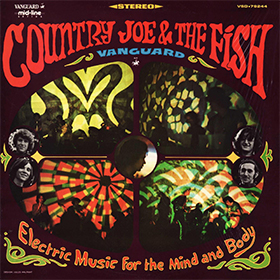
#129: Country Joe and the Fish - Electric Music for the Mind and Body (1967)


Zack: Electronic Music for the Mind and Body is one of those pivotal San Francisco hippie albums that really got students up in arms. It’s pretty obvious why. The album combines elements of psychedelic rock (and its subgenre of acid rock) and folk to create its sound, then mixes in some real fist-pounding lyrics. The finished product is a protest album perfect for the dirty, flower-laden Country Joe fans. One of the interesting aspects of hippie music is how closely connected all the prominent musicians of the time were. At least I’ve always found that interesting. They wouldn’t just see each other at award ceremonies or bump into each other if they just so happened to both be using the same studio. Musicians back then would hang out and drop acid with each other. They would meet up and do impromptu jams in each other’s garages. It was a different time. EMMB has a perfect example of this. The song Grace is a dedication to the lead singer of Jefferson Airplane, Grace Slick. How many musicians to do you see today writing tribute songs to their contemporaries? Maybe one of their musical icons whose relevance has faded with the years, but someone that you share the stage with regularly at all the big festival events? Incredible. But the best part about this album isn’t the tributes, it’s the revolutions. The song Superbird is an attack song at LBJ. As far as I could tell, it compared him both to a superhero-wannabe (a criticism of his Great Society programs and/or his continued efforts in Vietnam) and a supervillian who seeks to ruin the country or the world or something. I don’t know. I wasn’t really following that closely. Anyway, EMMB is a fun example of what the ‘60s were all about from one of the less widely known bands of the era, but an important one nonetheless. It really captures both the traditional sound and attitude of one of America’s most famous counter-cultures and also manages to stand the test of time as a legitimately good album.
Favorite Tracks: Superbird; Death Sound Blues; Grace

Emily: My experience with Country Joe and the Fish dates all the way back to 10th grade. In my American Studies class (basically 20th century American history with a bit of literature thrown in), we had to do presentations on different topics throughout the year. There were a few themed days, and when we reached the '60s we had Woodstock Day. Besides getting to wear tie-dye, flowy skirts, and John Lennon glasses, a few people did presentations about Woodstock - the musicians, the crowd, and the lasting influence it had. One of the mini-presentations was about Country Joe and the Fish - specifically, the band's performance of the I Think I'm Fixing to Die Rag and it's accompanying cheer of "GIVE ME AN F! GIVE ME A U! GIVE ME A C! GIVE ME A K! WHAT'S THAT SPELL? FUCK! WHAT'S THAT SPELL? FUCK!" Well, 15 year old me and my friends found this hysterical, so for the rest of the year we would mouth the Fuck Cheer to each other across the room during class and incorporate it into conversation as much as possible. I hadn't really thought about Country Joe since then, but when I saw the band on the list I was super excited to listen. Sadly, this is not the album with the rag, but it's a great example of what Country Joe stood for. Psychedelia and drug culture intermingle with powerful social and political messages. Not many people know about Country Joe and the Fish (beyond my American Studies class, of course), but if you're looking for a band that encapsulates the '60s sounds and sentiments, they're definitely it.
Favorite Tracks: Death Sound Blues; Superbird; Happiness is a Porpoise Mouth

Wednesday, April 27, 2011

#90: Iron Butterfly - In A Gadda Da Vida (1968)


Emily: The first half of the album consists of psychedelic songs about love, trees, and hippies. It's cool to listen to, but it's pretty standard fare for the era. What makes this album a classic is the second half. Or, rather, one song that took up the entire second side of the record. Yep, it's In A Gadda Da Vida, a seventeen minute long psychedelic trip through what may or may not be the Garden of Eden. Of course I had heard of the song before - who hasn't? - but before today I had never listened to it all the way through. The beginning and end mirror each other with gravelly singing and the iconic bass line. What really struck me, though, was the middle section. The band breaks it down with keyboards, drums, and even an organ, creating otherworldly sounds that probably only make sense with the help of LSD. The sound changes and evolves throughout, yet it sounds so harmonious that you barely realize you've been listening to the same song for a quarter of an hour. This track alone is enough to cement Iron Butterfly's place in hippie history, and the entire album just adds to their musical credibility.
Favorite Tracks: In A Gadda Da Vida; Most Anything You Want; Flowers and Beads

Zack: Since Emily covered half of the album, or track 6 as it's known, I guess I'll discuss the other five. All the rest of the songs are of normal, radio-friendly length, which really just makes it more unusual that the seventeen minute song was the single. They all feature an organ which, I think we can all agree, is pretty bitchin'. And there's that consistent gruff vocal work that just makes you want to dance around naked in the mud somewhere. Seriously, if there was a mud pit anywhere in Philadelphia, I would be completely submerged in it right now. Furthermore, apparently this was the first album ever to be awarded platinum status. I don't know why, but I feel like that's a really random achievement to hand out. I mean, if I'm the RIAA and it's 1976 and I have to go back and award the first ever platinum status label, I would think there would be a few choices over Iron Butterfly. I'm not saying that the band isn't cool, because they totally are, and I'm not saying that this album wasn't good because it rocked, but I just would have expected them to go in a more transcendent, everyone-knows-who-this band/singer-was kind of artist. I don't know record sales off the top of my head, and I pity you if you do, but I would think that some album by The Beatles, or Elvis, or Sinatra, or just about half of the pre-1976 artists on the list cracked the platinum level. Why not award it to them instead? Guess we've got entry #612 in the list of mysteries that will never be solved.
Favorite Tracks: In A Gadda Da Vida; Are You Happy; My Mirage